
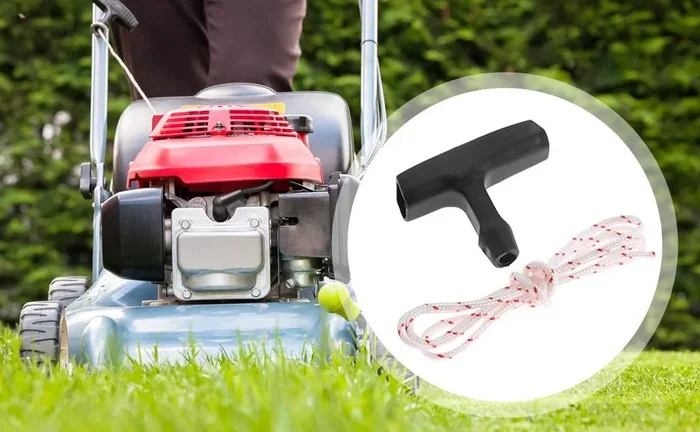

A broken pull cord can leave your mower dead, but you can how to fix lawn mower pull cord yourself in minutes. This guide walks you through the entire process, from identifying the problem to replacing the recoil starter. You’ll learn how to fix lawn mower pull cord issues safely and save money on repairs.
A stubborn pull cord can turn a simple mowing job into a frustrating battle. When the rope snaps, jams, or refuses to retract, your lawn mower pull cord becomes the only thing standing between you and a freshly cut yard. The good news is that fixing this common issue does not require a mechanic or an expensive service call. With a few basic tools and a little patience, you can have your mower running again in under an hour.
This guide will show you exactly how to fix lawn mower pull cord problems, from simple frayed ropes to more serious recoil starter failures. I will walk you through each step in plain language, using real-world examples and practical tips. Whether you are a weekend warrior or a first-time DIYer, you will find clear instructions that work for most walk-behind mowers. Let’s get your mower started the right way.
Key Takeaways
- Identify the Problem First: Check for frayed rope, stuck cord, or broken spring before starting repairs.
- Gather the Right Tools: A screwdriver, pliers, socket wrench, and replacement pull cord make the job easy.
- Always Disconnect the Spark Plug: This safety step prevents accidental engine starts while you work.
- Follow Each Step Carefully: Removing the starter cover, inspecting the recoil, and threading the new cord correctly ensures a smooth fix.
- Prevent Future Issues: Use proper pull technique and store your mower in a dry place to extend cord life.
- Know When to Replace: If the recoil starter housing is cracked, a full starter assembly swap may be cheaper than a cord repair.
📑 Table of Contents
Understanding the Pull Cord System
What Is a Pull Cord and How Does It Work?
The pull cord is the rope you grab to start your engine. It connects to a recoil starter, which is a small assembly attached to the engine’s crankshaft. When you yank the cord, a pulley spins and winds a spring. That spring then turns the crankshaft, creating the spark and compression needed to fire up the engine. Once you release the cord, the spring rewinds it back into place, ready for the next pull.
Inside the starter housing, you will find the rope, a pulley, a recoil spring, and sometimes a pawl or clutch mechanism. All of these parts work together to convert your pulling motion into rotational energy. If any single piece fails, the entire pull cord mechanism stops working. Understanding this simple design helps you pinpoint exactly where the problem lies.
Why the Pull Cord Matters for Your Mower
A healthy pull cord ensures quick, reliable starts. A frayed or broken cord means you are left pushing the mower around with no way to cut the grass. In many cases, a simple cord replacement can save you from buying a whole new machine. Learning how the system works also gives you the confidence to tackle other small engine repairs down the road.
Quick Tip: Always inspect your pull cord at the start of each mowing season. A few seconds of checking can prevent a frustrating morning breakdown.
Common Problems with Lawn Mower Pull Cords
Frayed or Broken Rope
The most obvious sign is a visible break in the rope. Over time, UV rays, moisture, and constant tension wear down the fibers. You might notice the cord feels stiff or has small frays near the handle. In severe cases, the rope snaps completely when you give it a pull. A broken cord means the engine will not crank at all.
Stuck or Jammed Pull Cord
Sometimes the cord will not retract after you release it. This usually happens when the recoil spring loses tension or the pulley gets stuck. Debris like grass clippings can also work their way into the starter housing and jam the mechanism. A stuck cord leaves the rope hanging out instead of winding back in, and it makes the next start attempt very difficult.
Recoil Spring Failure
The recoil spring is the heart of the starter assembly. When it breaks or stretches out, the cord will not rewind. You can often hear a rattling noise inside the starter cover if the spring is damaged. Replacing the spring alone is possible, but many homeowners choose to replace the entire recoil starter for simplicity.
Pulley Damage
The plastic pulley that the cord wraps around can crack or strip over time. A damaged pulley will not spin freely, which puts extra stress on the rope and the spring. If you notice the cord bunches up or catches at certain points, the pulley is likely the culprit.
Common Mistake: Many people assume a stuck cord means the engine is seized. Before you jump to that conclusion, always check the pull cord assembly first. A simple spring replacement can save you from unnecessary engine repairs.
Tools You’ll Need for the Repair
Essential Tools
Before you start, gather these common household tools. You do not need a fancy workshop, just a few basic items:
- Flathead and Phillips screwdrivers
- Needle-nose pliers
- Socket wrench set
- Replacement pull cord (match the diameter and length)
- Safety glasses and work gloves
- Clean rags or a small brush
Replacement Parts
For most pull cord repairs, you only need the rope itself. Replacement cords are sold at hardware stores and online for just a few dollars. Make sure you match the diameter of the original cord, usually 3/16 inch or 1/8 inch. If the recoil spring or pulley is damaged, you can buy a full starter assembly. This is often cheaper than buying each part separately and saves you time.
Expert Insight: Keep a spare pull cord in your garage or shed. Having one on hand means you can fix the problem immediately instead of waiting for a delivery.
Step-by-Step: How to Fix Lawn Mower Pull Cord
Now that you have your tools and parts ready, let’s walk through the actual repair. Following these steps carefully will ensure a safe and lasting fix. I will break down how to fix lawn mower pull cord issues into five simple stages.
Step 1: Disconnect the Spark Plug
Safety always comes first. Locate the spark plug wire and pull it off the plug. Wrap the wire end with a rag or tape so it cannot accidentally touch the plug. This prevents the engine from starting while you are working inside the starter area. A sudden crank can cause serious injury.
Step 2: Remove the Starter Cover
The recoil starter is held in place by several screws around the housing. Use the appropriate screwdriver to remove them. Keep the screws in a safe spot, like a small bowl. Gently lift off the cover. You may feel a slight resistance from the spring inside, so hold the assembly steady with your other hand.
Step 3: Inspect the Recoil Starter
With the cover off, take a close look at the internal parts. Check the rope for fraying, the spring for breaks, and the pulley for cracks. Use a clean rag to wipe away any grass or dirt. If the spring is intact but the rope is worn, you only need to replace the cord. If the spring is damaged, you will need a full starter replacement or a spring repair kit.
Quick Tip: Take a photo of the assembly before you disassemble anything. This reference will make reassembly much easier.
Step 4: Replace the Pull Cord
Thread the new cord through the pulley hole. Tie a secure knot at the end, just like the original handle. Then, slowly rotate the pulley in the direction the spring winds (usually clockwise). This winds the spring and creates tension. Hold the pulley steady and thread the other end of the cord through the starter housing and out through the pull handle. Tie a knot at the handle end. Double-check that the cord feeds smoothly and the pulley spins freely.
Step 5: Reassemble and Test
Place the starter cover back on and tighten all the screws. Reconnect the spark plug wire. Give the cord a slow pull to test the tension. The cord should retract smoothly and feel firm. Start the engine to confirm it cranks properly. If the cord feels loose, you may need to rewind the pulley with more tension.
Expert Insight: If the cord bunches up or does not retract, the pawl or clutch inside the starter may be worn. Inspect these small parts and replace them if needed. A clean, well-lubricated pulley also helps the cord feed smoothly.
Preventing Future Pull Cord Issues
Proper Pull Technique
How you pull the cord affects its lifespan. Always pull smoothly and steadily. A sharp, jerking motion puts extra strain on the rope and the spring. Stand firmly with one foot on the mower deck, and use your whole arm to pull. This technique reduces wear and tear on the starter assembly.
Regular Maintenance Checks
At the beginning of each season, remove the starter cover and inspect the cord and spring. Look for signs of rust, fraying, or weak spots. Clean any debris from the housing. A little preventative care can extend the life of your pull cord by several years. Lubricate the pulley with a drop of light oil if it feels stiff.
Storing Your Mower Correctly
UV light and moisture are the biggest enemies of a pull cord. Store your mower in a dry, shaded area whenever possible. If you must leave it outside, use a breathable mower cover. Before long-term storage, disconnect the spark plug and keep the starter housing clean and dry.
Common Mistake: Many people yank the cord too fast when the engine is cold. This is the moment when the cord is most likely to snap. Give the engine a few seconds to get into the right position, and pull with a steady, controlled motion.
When to Replace Instead of Repair
Signs You Need a Full Starter Assembly
If the recoil housing is cracked, the spring keeps breaking, or the pulley is badly stripped, a simple cord replacement will not solve the problem. In these cases, replacing the entire recoil starter is the smarter choice. A new starter assembly costs between $20 and $50 for most walk-behind mowers. The installation is the same as a cord replacement, and you get a fresh spring, pulley, and housing all at once.
Cost vs. Replacement Decision
Compare the cost of a replacement cord and your time against a new starter assembly. If the cord is the only issue, a $5 replacement cord and 30 minutes of your time is the clear winner. If multiple parts inside the starter are damaged, a full assembly saves you from repeated repairs. Always check your mower’s model number to find the correct compatible part.
Quick Tip: Take the old starter assembly to the hardware store or search for the part number online. Matching the exact model guarantees a perfect fit and a hassle-free installation.
Conclusion
Fixing a broken lawn mower pull cord is one of the easiest and most satisfying DIY repairs you can do. It saves you money, gets your mower running fast, and builds your confidence for future small engine projects. By understanding the simple mechanics of the recoil starter and following the step-by-step instructions above, you can tackle this common problem with ease. Remember to always disconnect the spark plug, take your time with each step, and use the right replacement parts. With a little care, your pull cord will stay strong season after season. Now go out there and enjoy a clean, freshly cut lawn.
Frequently Asked Questions
Why does my lawn mower pull cord keep breaking?
A cord that keeps breaking usually points to a worn pulley, a weak recoil spring, or debris jamming the starter housing. Inspect these parts before installing a new cord. Replacing the entire recoil starter often solves the issue permanently.
Can I fix a pull cord without removing the starter cover?
No, you must remove the starter cover to access the internal components. The cover is held by a few screws and comes off easily. This gives you full access to the rope, spring, and pulley for a proper repair.
What size pull cord do I need for my mower?
Most mowers use a 3/16-inch or 1/8-inch diameter cord. Check your owner’s manual or measure the broken rope to confirm. The length can vary, but a standard 25-foot replacement cord works for most walk-behind models.
Is it hard to rewind the recoil spring when replacing the cord?
It takes a little practice, but it is not difficult. Slowly rotate the pulley in the winding direction while holding it steady. The spring will wind tightly. Just be careful not to let the pulley slip, as the released spring can snap your fingers.
How much does a professional charge to fix a pull cord?
A repair shop typically charges between $40 and $80 for a pull cord replacement, which includes labor and parts. Doing it yourself costs only a few dollars for the cord and takes about 30 minutes. The DIY route is much more affordable and gives you a sense of accomplishment.
What should I do if the pull cord will not retract at all?
A cord that will not retract usually means the recoil spring is broken or the pulley is stuck. Remove the starter cover and inspect the spring. If the spring is intact, clean the pulley and housing to remove any grass or dirt that may be causing the jam.