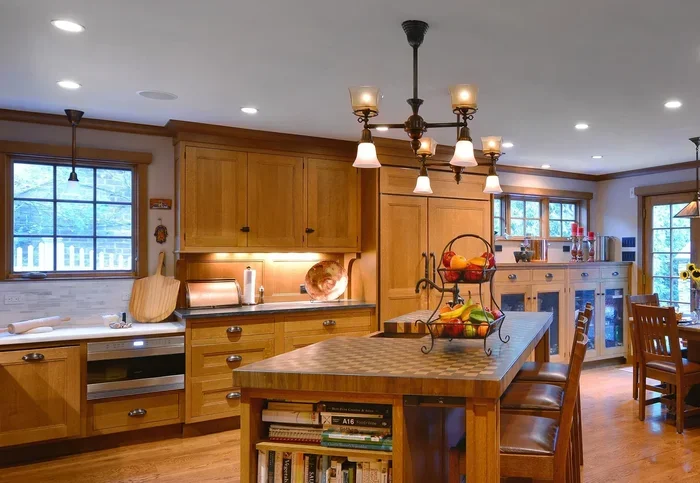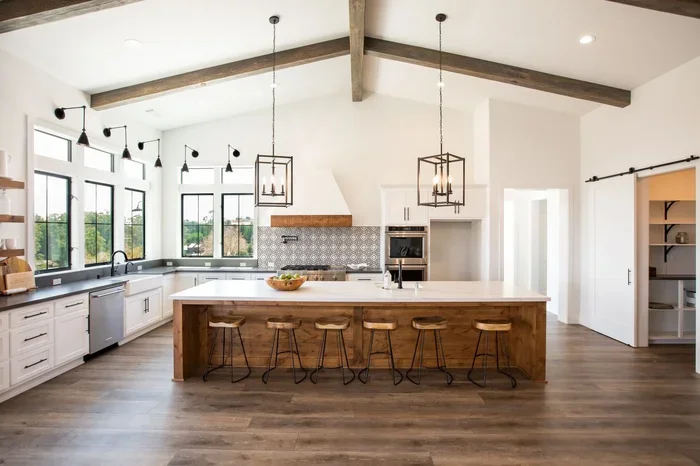
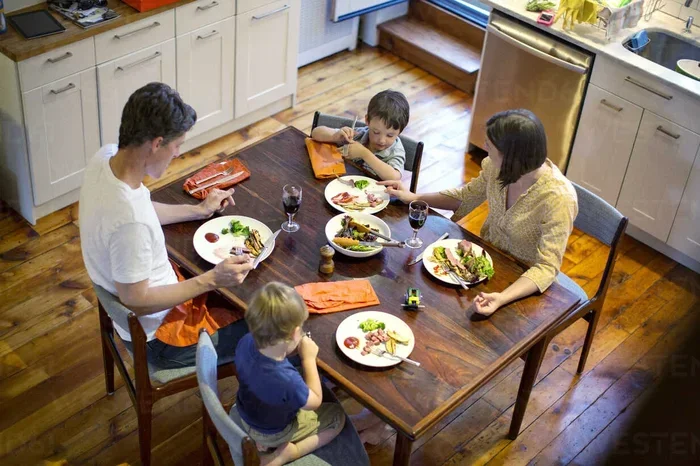

Eating in kitchen table more often is one of the simplest ways to strengthen family bonds and improve daily health. This guide shares practical tips to help you create a mealtime routine that everyone loves. You will learn how to choose the right table, build inviting dining table ideas, and turn meals into meaningful moments.
Do you want to eat in kitchen table more often? Dining at the kitchen table is one of the simplest ways to boost family connection, improve health, and bring joy back to daily routines. Many people eat on the couch or in front of the TV, but sitting down at the table creates a space for real conversation and family bonding over meals. This guide gives you practical tips to make your table the heart of your home. You will learn how to choose the right table, build a routine, and create mealtime rituals that everyone looks forward to.
Making the shift to eat in kitchen table more often is easier than you think. It does not require a big renovation or expensive furniture. With a few smart changes, you can turn your dining area into the favorite spot in your home. Keep reading to discover how.
Key Takeaways
- Family Meals Matter: Eating together at the table improves health, communication, and happiness for the whole family.
- Right Table, Right Space: Choosing the best kitchen table shape and material makes a big difference in how often you use it.
- Small Changes Work: Simple tips like setting the table the night before and turning off screens can transform your mealtime routine.
- Make It Fun: Adding kitchen table decor, games, and traditions turns dinner into something everyone looks forward to.
- Consistency Beats Perfection: Even eating together a few times a week creates lasting family bonding over meals.
- Beyond Dinner: Your dining area can be a hub for breakfast, lunch, homework, and creative activities too.
📑 Table of Contents
Why Eating at Your Kitchen Table Matters
In today’s busy world, family meals together are becoming rare. Between work schedules, school activities, and screen time, it is easy to let dinner become a rushed, solo event. But sitting down to dine at home at a proper table has benefits that go far beyond just feeding yourself.
The Power of Family Meals
When you eat together as a family, something magical happens. Conversations flow naturally. Kids share stories from their day. Parents stay connected to what matters most. Studies show that children who sit down dinner with their families regularly do better in school and have stronger emotional health.
Family dinner time does not need to be perfect. It does not need to be fancy. Even a simple home cooked meal eaten together at the table creates memories and builds habits that last a lifetime. The act of sharing food face to face is one of the oldest and most powerful human traditions.
Health Benefits You Cannot Ignore
There are real healthy eating habits that come from dining at a table. When you eat at the table, you pay more attention to your food. You chew slowly. You enjoy each bite. This leads to better digestion and portion control.
People who dine at home regularly also tend to eat more fruits, vegetables, and whole grains. They consume fewer processed foods and sugary drinks. The kitchen table becomes a natural anchor for better nutrition without needing strict diets or complicated meal plans.
Quick Tips
- Set the table the night before so morning or evening feels effortless.
- Turn off all screens during family dinner time.
- Start with just three family meals per week and build from there.
- Let kids help with home cooked meals to build excitement.
Pick the Perfect Kitchen Table for Your Home
The right kitchen table makes all the difference. If your table is too small, wobbly, or in the wrong spot, you will not want to use it. Choosing the right one means thinking about your space, your family size, and your style.
Table Shapes and Sizes
Not all kitchen table shapes work for every home. Round tables fit well in small spaces and encourage everyone to face each other. Rectangular tables seat more people and work great in larger dining areas. Square tables are a good middle ground for families of four.
Think about how many people you usually feed. If you have a family of four but often host guests, a table that seats six gives you room to grow. A small kitchen table can still work beautifully if you choose it with care.
Materials That Work in Real Life
The material of your wooden dining table or other surface affects how it looks, feels, and lasts. Wood is warm, classic, and easy to repair. Glass tables look modern and sleek but show every fingerprint. Metal and plastic options are durable but may lack the cozy feel of natural materials.
For families with young children, a wooden dining table with a sturdy finish holds up best to spills and scratches. A kitchen table set that includes chairs with padding adds comfort for longer meals.
Comparing Kitchen Table Options
| Table Type | Best For | Durability | Style |
|---|---|---|---|
| Round Kitchen Table | Small spaces, intimate meals | High | Warm, cozy |
| Rectangular Dining Table | Large families, entertaining | Very High | Classic, formal |
| Square Kitchen Table | Couples, small families | High | Modern, clean |
| Foldable Kitchen Table | Tiny spaces, flexible use | Medium | Practical, versatile |
| Extendable Dining Table | Growing families, guests | Very High | Elegant, adaptable |
Common Mistakes
- Buying a table that is too big for your room. Measure your space first and leave enough clearance for chairs.
- Ignoring chair comfort. Uncomfortable chairs make people want to leave the table fast.
- Choosing style over function. A beautiful glass table may not work well with young children.
- Skipping the right lighting. A table looks and feels different under good light versus dim overhead bulbs.
Make Your Kitchen Table a Place People Want to Be
Once you have the right kitchen table, the next step is making it inviting. A table that looks appealing draws people in. A table that feels cold and bare does not. Small touches of kitchen table decor and thoughtful setup can transform your dining area into the most loved room in the house.
Simple Decor Ideas
You do not need expensive decorations to make your table inviting. A simple table runner adds color and texture. A small vase with fresh flowers brings life to the center. A candle or two creates warmth in the evening.
Seasonal touches keep things fresh. A pumpkin arrangement in autumn, a wreath on the wall nearby, or a bright tablecloth in summer all make dining at home feel special. The goal is to make the table feel like a place worth gathering around.
Lighting That Sets the Mood
Lighting plays a huge role in how your dining area feels. Harsh overhead lights make meals feel clinical. Soft, warm light from a pendant lamp or candles creates a cozy atmosphere that encourages people to stay and talk.
Consider installing a dimmer switch above your kitchen table. This lets you adjust the brightness for breakfast, lunch, and dinner. A simple modern kitchen table lamp on a sideboard also works well if overhead lighting is not an option.
Expert Insights
Interior designers agree that the kitchen table layout should allow at least 36 inches of space between the table edge and the wall or other furniture. This ensures comfortable chair placement and easy movement. A well-lit table with a centerpiece at eye level creates a focal point that naturally draws people toward it.
Build a Mealtime Routine That Sticks
The biggest challenge to eating in kitchen table more often is consistency. Without a routine, good intentions fade quickly. The key is building habits that feel natural, not forced.
Simple Weekly Dinner Plans
You do not need a complex meal plan to succeed. Start with a loose weekly rhythm. Maybe Mondays are pasta night. Wednesdays are taco night. Fridays are leftover night or takeout night. The structure removes the daily question of what to cook and makes dining at home feel effortless.
Involve the whole family in planning. When kids have a say in the menu, they are more excited to eat in kitchen table. Keep a rotating list of favorite home cooked meals so you never run out of ideas.
Getting Everyone to the Table
Getting a family to sit down together takes effort, especially at first. Here are strategies that work:
- Set a consistent time. Eat dinner at the same time each day so it becomes expected.
- Start small. Begin with three nights a week and add more as it becomes habit.
- Make it screen-free. Phones, tablets, and TVs stay in another room during family dinner time.
- Keep meals simple. A grilled chicken, salad, and bread is a perfectly fine sit down dinner.
- Use a fun centerpiece. A weekly jar of conversation starters keeps things engaging.
Quick Tips for Building Your Routine
- Use a visual calendar on the fridge so everyone knows the plan.
- Prep ingredients on Sunday to make weeknight cooking faster.
- Play soft music during meals to create a relaxed atmosphere.
- Rotate who sets the table and who clears it to share responsibility.
- Celebrate small wins like reaching five consecutive family dinners.
Common Mistakes to Avoid
- Waiting for the perfect moment. There is no perfect time. Start with what you have.
- Making meals too complicated. A home cooked meal does not need to be gourmet to be meaningful.
- Forcing everyone to stay for the entire meal. Start with 20 minutes and build from there.
- Using food as a reward or punishment. Keep mealtime routine positive and pressure-free.
Turn Your Kitchen Table Into More Than a Dining Spot
The beauty of a kitchen table is that it serves many purposes beyond dinner. When your table becomes a hub for different activities, you naturally spend more time there and eat in kitchen table more often as a result.
Fun Things to Do Beyond Meals
Use your dining area for breakfast, lunch, afternoon snacks, and even coffee breaks. A morning bowl of cereal at the table sets a positive tone for the day. After-school homework done at the table keeps kids connected and supervised.
Board games, puzzles, and art projects all thrive at a kitchen table. These activities bring the family together in a relaxed way and naturally lead to more time spent around the table. Over time, the table becomes the center of home life.
Creating Family Traditions
Traditions give people a reason to gather. A weekly pancake breakfast on Saturday morning. A Friday night game night with snacks. A Sunday evening sit down dinner where everyone shares one thing they are grateful for.
These traditions do not need to be elaborate. The power comes from consistency and presence. When your family associates the kitchen table with warmth and fun, wanting to eat in kitchen table becomes something you do not have to force.
Expert Insights
Family therapists recommend creating at least one non-meal tradition around the kitchen table each month. This could be a craft night, a book club for the family, or a “share your week” check-in. These rituals strengthen the emotional connection to the table and make it a natural gathering spot throughout the week.
Overcome Common Barriers to Eating Together
Even with the best intentions, barriers can get in the way. Busy schedules, picky eaters, and screen distractions all pose real challenges. The key is to address these obstacles with practical solutions rather than giving up on family meals together.
Dealing with Busy Schedules
When everyone is pulling in different directions, finding time to dine at home feels impossible. The solution is to be flexible. Breakfast together counts. A late-night snack at the table counts. Weekend brunch counts.
Any time you share food at the table is a win. Do not let an all-or-nothing mindset stop you from building family bonding over meals. Even two or three shared meals a week make a meaningful difference.
Managing Picky Eaters and Screen Time
Picky eaters and screen addiction are the two biggest enemies of the family table. For picky eaters, involve them in cooking. Let them choose one vegetable or side dish each week. For screen time, set clear rules: no devices at the table during family dinner time.
Model the behavior you want to see. When parents put their phones away and engage in conversation, kids follow the lead. A kitchen table layout that faces people toward each other (rather than toward a TV) also helps reduce distractions.
Conclusion
Eating in kitchen table more often is one of the most rewarding changes you can make in your home. It strengthens family bonds, improves health, and creates a sense of belonging that no other room can match. From choosing the right kitchen table to building a consistent mealtime routine, every step counts.
Start small. Pick one or two tips from this guide and try them this week. Set the table for dinner. Turn off the screens. Ask each person one question about their day. Over time, these small actions add up to a home filled with connection, warmth, and family dinner time that everyone treasures.
Your dining area has the potential to be the heart of your home. Make it a place people love to gather, share food, and share life. The kitchen table is waiting. All you have to do is sit down.
Frequently Asked Questions
How can I eat in kitchen table more often with a busy schedule?
Start by setting one or two fixed mealtime routine slots each week, such as Tuesday and Friday dinners. Prep meals in advance on weekends so weeknight dinners are quick. Even short sit down dinner sessions of 20 minutes count and build the habit over time.
What is the best kitchen table for a small space?
A round kitchen table or a small kitchen table with a foldable design works best in tight spaces. Look for tables with storage underneath to maximize your dining area. A modern kitchen table with slim legs also helps create an open, airy feel.
How do I get my kids to want to eat at the kitchen table?
Make the table fun and inviting. Use colorful kitchen table decor, let kids pick their own kitchen table set accessories, and start a weekly tradition like game night. When family meals together feel positive and pressure-free, kids naturally want to participate.
Can I eat in kitchen table for breakfast and lunch too?
Absolutely. Expanding beyond dinner is one of the best ways to eat in kitchen table more often. A morning bowl of cereal, a midday salad, or an afternoon snack all work well at the table. The more you use the table, the more it becomes a natural gathering spot for home cooked meals at any time of day.
What are some easy kitchen table decor ideas?
Simple touches like a table runner, a small vase with fresh flowers, a candle, or a seasonal centerpiece transform your dining area. Change decor monthly to keep things fresh. A kitchen table layout with a centerpiece at eye level and comfortable seating makes the space feel welcoming and intentional.
How does eating at the kitchen table improve family relationships?
Family bonding over meals happens naturally when everyone sits together face to face. Conversation flows, listening skills improve, and children feel valued and heard. Regular dinner time at the table creates a safe space for sharing feelings and building trust, which strengthens family meals together for years to come.