
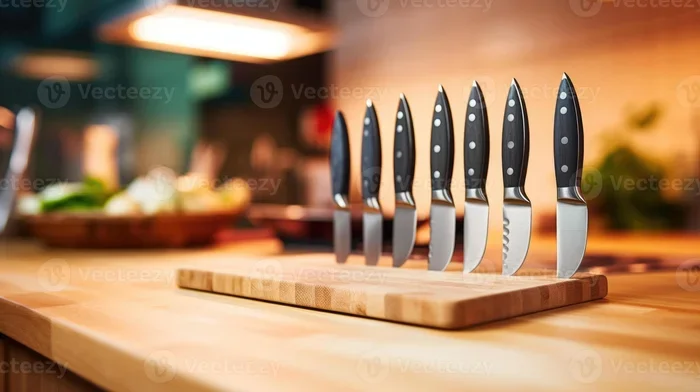

Keeping your kitchen knives sharp is easier than you think. With the right knife sharpening routine and a few smart daily habits, your chef knife will stay razor-ready for years. This guide covers everything from honing techniques to proper knife storage so you can sharpen knives at home with confidence.
Your kitchen knives are the backbone of every meal you prepare. A sharp chef knife makes chopping vegetables, slicing bread, and breaking down proteins feel effortless. A dull one turns simple tasks into frustrating chores — and even dangerous ones.
So how do you keep kitchen knives sharp without spending a fortune? The truth is, you do not need expensive equipment or years of experience. A few simple habits and the right knife sharpening tools are all you need.
In this guide, I will walk you through everything you need to know about knife maintenance. From daily honing techniques to choosing the best knife sharpener, you will find practical advice you can use right away. Let us get your cutting edge back in top shape.
Key Takeaways
- Hone your knives regularly: Using a honing steel before each session keeps the knife edge aligned and ready to cut.
- Know when to sharpen: A dull blade needs real knife sharpening on a whetstone or knife sharpener, not just honing.
- Cut on the right surface: Wooden or plastic cutting boards protect your knife edge far better than glass or granite.
- Store knives safely: Use a knife block, sheath, or magnetic strip to prevent blade damage during knife storage.
- Hand wash only: Dishwashers heat and bump kitchen knives, causing chips and dullness over time.
- Seek professional help when needed: A professional sharpening service can rescue badly dull or damaged kitchen knives.
📑 Table of Contents
Why Sharp Kitchen Knives Matter
Many home cooks overlook the importance of a sharp knife edge. They think a dull knife just cuts slower. But the reality is much more serious. A dull blade forces you to press harder, which leads to uneven cuts and slip accidents.
The Safety Factor
A sharp kitchen knife is actually safer than a dull one. When a blade is sharp, it bites into food cleanly. You do not need to force it. With a dull knife edge, the blade slides off the surface, and that is when accidents happen. A slip with a sharp knife is less likely because the blade controls itself.
Think about it this way. A chef knife with a fine cutting edge glides through a tomato skin without crushing it. A dull knife smashes the tomato and then slips sideways. That is a recipe for a cut finger.
Better Cooking Results
Sharp kitchen knives give you cleaner cuts, which affects how food cooks and looks. A rough, torn cut on an onion bruises the cells and speeds up browning. A clean slice keeps the texture intact. When you sharpen knives properly, your knife skills improve dramatically.
Fresh herbs, delicate vegetables, and thin meat slices all benefit from a razor-sharp blade. Your meals simply look and taste better when everything is cut with precision.
How Dull Knives Cost You More
A dull knife edge wastes more than time. It wastes food. You end up tearing herbs, crushing garlic, and mashing soft fruits instead of slicing them cleanly. Over months, this adds up. You also replace kitchen knives more often because a neglected blade develops chips that cannot be fixed at home.
Good kitchen knife care saves money in the long run. One quality chef knife that you maintain properly can last a lifetime. That is a much better deal than buying new kitchen knives every couple of years.
How Often Should You Sharpen Your Kitchen Knives
Knowing how often to sharpen knives depends on how often you cook and what you cut. Most home cooks need to sharpen their kitchen knives every two to three months. Heavy daily users might need it monthly. But knife sharpening is not the only step.
Understanding the Difference Between Honing and Sharpening
This is where many people get confused. Honing and sharpening are not the same thing. Honing realigns the tiny metal burr along the knife edge. Sharpening removes metal to create a new cutting edge. You should hone before every cooking session. You should sharpen every few months.
Think of honing like brushing your teeth. It keeps things in good shape daily. Sharpening is like visiting the dentist. It fixes deeper issues that brushing alone cannot solve.
A Sharpening Schedule That Works
Here is a simple knife maintenance routine you can follow:
- Daily: Hone your chef knife on a honing steel for 30 seconds before cooking.
- Every 2-3 months: Use a whetstone or knife sharpener to restore the blade edge.
- Every 6-12 months: Take your kitchen knives to a professional sharpening service for a full grind.
Following this knife maintenance routine keeps your cutting edge in great shape without over-sharpening, which actually wears down the blade faster.
The Best Ways to Sharpen Kitchen Knives at Home
There are several methods to sharpen knives at home. Each has pros and cons. The best choice depends on your skill level, budget, and how much time you want to spend.
Using a Whetstone
A whetstone is the gold standard for knife sharpening. It gives you full control over the blade angle and produces the sharpest possible cutting edge. Water or oil lubricates the stone. You slide the knife edge across the surface at a consistent angle, usually 15 to 20 degrees.
How to use a whetstone:
- Soak the stone in water for 10 to 15 minutes.
- Place it on a damp towel so it does not slide.
- Hold the chef knife at a 15 to 20 degree blade angle.
- Slide the knife edge from heel to tip across the coarse side.
- Repeat on the fine side for a polished finish.
- Flip and repeat on the other side of the blade.
A whetstone takes practice, but the results are worth it. Your knife edge will feel like silk after a few sessions.
Electric Knife Sharpeners
An electric knife sharpener is the fastest way to sharpen knives at home. You pull the blade through slots with abrasive wheels. The machine sets the blade angle for you. This is perfect for beginners who are not comfortable with a whetstone.
The downside is that electric knife sharpeners remove more metal than needed. Over time, this shortens your knife longevity. Use them sparingly and only when your knife edge is truly dull.
Manual Knife Sharpeners
A manual knife sharpener sits on your countertop and uses fixed-angle slots. You draw the chef knife through the slot a few times. These are more precise than electric models but still easier than a whetstone. They are a great middle ground for home cooks.
Look for a knife sharpener with diamond or ceramic wheels. These give a finer knife edge than standard abrasive slots.
Honing with a Steel Rod
A honing steel is not a sharpener. It is a realigner. The smooth rod straightens the microscopic teeth along the knife edge. This does not remove metal. It simply keeps the blade cutting smoothly between real sharpening sessions.
How to use a honing steel:
- Hold the steel vertically with the tip on a towel.
- Place the knife edge at a 15 to 20 degree angle.
- Slide the blade down the steel from heel to tip.
- Repeat five to six times on each side.
A honing steel is the single most important tool for daily kitchen knife care. Every cook should have one within arm’s reach.
Daily Habits That Keep Knives Sharp Longer
Sharpening is only half the battle. Your daily habits determine how long your knife edge stays sharp. A few small changes make a huge difference in knife longevity.
Always Use the Right Cutting Board
Your cutting board matters more than most people realize. Glass, marble, and granite boards destroy kitchen knives fast. They are too hard and dent the blade edge with every cut.
Wooden and plastic cutting boards are gentle on kitchen knives. Wood is especially good because it has a slight give. It absorbs the impact instead of bouncing it back into the knife edge. End-grain wooden boards are the best option for serious cooks.
Store Your Knives Properly
Knife storage is one of the most overlooked parts of kitchen knife care. Tossing kitchen knives loose into a drawer is a fast track to a chipped blade. The knife edge collides with other utensils and gets nicked.
Use one of these knife storage options instead:
- Knife block: Keeps each chef knife in its own slot.
- Magnetic strip: Mounts kitchen knives on the wall safely.
- Blade guards: Slip covers protect individual kitchen knives in a drawer.
- In-drawer insert: A wooden or foam insert holds kitchen knives securely apart.
Good knife storage prevents damage before you even pick up the knife sharpener.
Hand Wash Only
Never put your kitchen knives in the dishwasher. The hot water and harsh detergent weaken the blade over time. The jostling inside the machine causes chips and scratches on the knife edge.
Wash your chef knife by hand with warm soapy water. Dry it immediately with a towel. This simple habit adds years to your knife longevity. It takes ten seconds and protects your investment.
Cut on the Correct Surface
Never cut directly on a countertop. Granite, concrete, and tile are far too hard for any kitchen knife. They chip the blade edge within minutes. Always use a cutting board no matter what you are cutting.
Even cutting a single onion directly on a stone countertop can dull your knife edge noticeably. Make it a habit to always place a cutting board down first.
Common Mistakes That Dull Your Knives Fast
Many home cooks unknowingly damage their kitchen knives every day. Avoiding these common mistakes will dramatically extend the sharpness of your blade.
Using the Wrong Cutting Surface
This deserves its own section because it is so common. People cut directly on plates, bowls, and countertops. Ceramic plates are especially brutal. They chip the knife edge within a few cuts. Always move your food to a cutting board before slicing.
Storing Knives Loose in a Drawer
A messy drawer full of kitchen knives banging around is a blade killer. Every time you reach in and pull out a chef knife, the knife edge hits other utensils. Over weeks, this creates micro-chips that make the knife edge feel rough and dull.
Cutting on Hard or Frozen Foods
Your chef knife is not a cleaver. Do not use it to chop through bones or frozen foods. The impact cracks the blade and chips the knife edge. Use a cleaver or a specialized kitchen knife designed for heavy-duty tasks.
Using Knives for the Wrong Tasks
Each kitchen knife has a purpose. A chef knife is for chopping, slicing, and mincing. A serrated knife is for bread. Using the wrong kitchen knife for a task puts uneven stress on the blade and damages the knife edge.
For example, do not use a smooth chef knife to cut a crusty loaf of bread. The serrated knife is designed for that. Forcing a smooth blade through hard crust tears the knife edge and leaves ragged slices.
Ignoring the Serrated Edge
Serrated knives need special care. The teeth on a serrated knife get dull faster than a smooth blade. Many people do not realize that serrated knives can be sharpened. A ceramic knife sharpener or a special serrated knife sharpener works well for this task.
Neglecting your serrated knife is one of the most common kitchen knife care mistakes. Give it the same attention as your chef knife.
When to Call a Professional for Knife Sharpening
Sometimes your kitchen knives need more than home care. A professional sharpening service has the tools and expertise to restore even badly damaged kitchen knives.
Signs Your Knife Needs Professional Help
Watch for these warning signs that your knife edge needs expert attention:
- The blade has visible chips or nicks.
- The knife edge feels rough even after honing.
- The knife edge cannot hold an edge for more than a few days.
- The blade angle feels uneven or wobbly.
- Your chef knife bends slightly when you press it against a cutting board.
These are signs that the blade has structural damage. A whetstone or knife sharpener at home will not fix serious chips. A professional sharpening expert can grind the blade back to its proper shape.
How Often to Seek Professional Sharpening
Most home cooks benefit from professional sharpening once a year. Heavy users or people who work with hard ingredients might need it twice a year. A professional can also assess the knife grind and recommend the best blade angle for your cooking style.
Look for a local professional sharpening service or a reputable mail-in option. Many cutlery shops and kitchen supply stores offer this service. It is a worthwhile investment that extends the life of your kitchen knives by years.
Key Takeaways
- Sharpen and hone consistently: Hone before every use with a honing steel, and sharpen every two to three months with a whetstone or knife sharpener.
- Use proper cutting surfaces: Always cut on wood or plastic cutting boards and never on glass, granite, or ceramic surfaces.
- Store your knives safely: Use a knife block, magnetic strip, or blade guards to protect the knife edge during knife storage.
- Hand wash your kitchen knives: The heat and agitation inside a dishwasher damage the blade and dull the cutting edge faster.
- Avoid common mistakes: Do not cut on hard surfaces, use the wrong knife for the task, or store kitchen knives loose in a drawer.
- Know when to go pro: Chips, nicks, and persistent dullness are signs that professional sharpening is needed.
- Build a maintenance routine: A simple daily and monthly knife maintenance routine keeps your chef knife sharp for years.
Conclusion
How to keep kitchen knives sharp comes down to three things: regular honing, proper sharpening, and smart daily habits. You do not need to be a professional chef or invest in expensive equipment. A honing steel, a whetstone, and a few minutes of care each day make all the difference.
Your chef knife works hard for you every time you step into the kitchen. Give it the kitchen knife care it deserves. Use the right cutting board, store it safely, and never put it in the dishwasher. These small actions compound over time and keep your knife edge performing at its best.
Knife sharpening does not have to be intimidating. Start with a honing steel before your next meal prep. Then try a whetstone on the weekend. Once you feel the difference a sharp blade makes, you will never go back to dull kitchen knives. Your cooking — and your fingers — will thank you.
Frequently Asked Questions
How often should I sharpen my kitchen knives?
Most home cooks should sharpen their kitchen knives every two to three months. However, if you cook daily, you may need to sharpen knives once a month. Honing with a honing steel before each session helps extend the time between real sharpening.
Can I use a whetstone to sharpen a serrated knife?
Yes, but you need a tapered whetstone or a specialized serrated knife sharpener. Standard flat stones do not reach into the serrations. Take your time and follow the angle of each serration carefully for the best results.
Is honing the same as sharpening?
No. Honing realigns the knife edge without removing metal. Sharpening grinds away metal to create a new cutting edge. You should hone daily and sharpen every few months to keep your kitchen knives in top condition.
What is the best cutting board for knife care?
End-grain wooden cutting boards are the gentlest on kitchen knives. Plastic boards are also good and easy to clean. Avoid glass, marble, and granite surfaces because they chip the knife edge quickly.
How do I know if my knife is too dull to sharpen at home?
If your blade has visible chips, nicks, or bends, it needs professional sharpening. A knife that cannot hold an edge after honing may also need expert attention. A professional can assess the blade angle and damage level accurately.
Does hand-washing really make a difference for knife sharpness?
Absolutely. Dishwashers expose kitchen knives to high heat, harsh detergent, and bumping against other items. All of this dulls the knife edge and can cause corrosion. Hand washing and immediate drying is the best practice for kitchen knife care.