
Master how to operate a Craftsman riding lawn mower with our detailed, beginner-friendly guide. You will learn everything from pre-start safety checks and engine startup to driving controls, blade engagement, cutting height adjustment, and essential maintenance. Whether you are new to riding mowers or looking to sharpen your skills, this article covers every step you need for a smooth, safe, and efficient mowing experience.
Owning a Craftsman riding lawn mower changes the way you take care of your yard. What used to take hours on a push mower now takes a fraction of the time. But if you have never driven one before, the controls and processes can feel a little overwhelming. That is completely normal. This guide walks you through everything you need to know about how to operate a Craftsman riding lawn mower the right way.
We will cover every step from the moment you walk up to the machine to your first clean, straight cut. You will learn about safety checks, engine startup, driving controls, blade engagement, cutting adjustments, and basic maintenance. By the end, you will feel confident and ready to tackle your lawn like a professional. Let us get into it.
Key Takeaways
- Pre-Operation Check: Always inspect fuel, oil, blades, and safety features before starting your Craftsman riding mower.
- Startup Sequence Matters: Follow the correct step-by-step process to safely start the engine every time.
- Drive Controls Are Key: Understanding the drive pedals and steering mechanism helps you mow with confidence and precision.
- Blade Engagement Requires Care: Engage the PTO lever correctly and never engage blades while moving for safety.
- Cutting Height Affects Lawn Health: Adjust the deck height based on grass type and season for the best results.
- Regular Maintenance Extends Life: Simple post-mowing care and seasonal upkeep keep your Craftsman lawn tractor running strong for years.
📑 Table of Contents
Getting to Know Your Craftsman Riding Lawn Mower
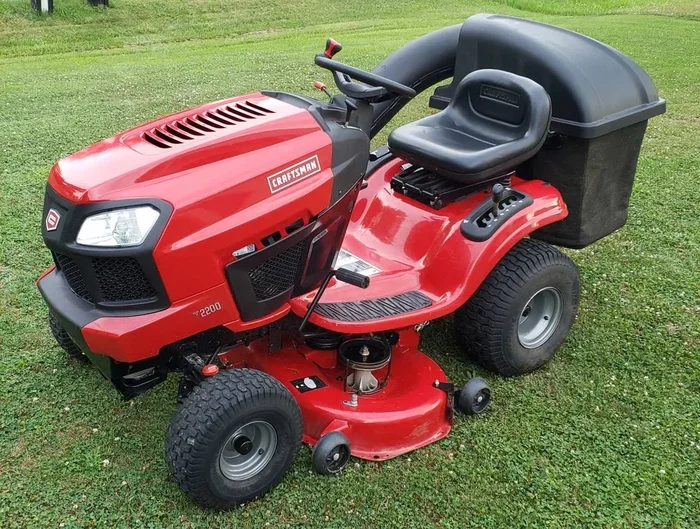
Before you turn the key, it helps to understand the machine sitting in front of you. Every Craftsman riding mower shares a similar layout, but models can vary slightly. Familiarizing yourself with the basic parts makes everything else much easier.
Understanding the Main Controls
When you sit on a Craftsman lawn tractor, you will notice several important controls right away. The steering wheel sits in front of you. Near the dashboard or console, you will find the ignition key, the parking brake, and the PTO lever. The PTO lever stands for Power Take-Off, and it controls the blades underneath the mower deck.
Below the seat, you will find the drive pedals. Most Craftsman models use a separate pedal for speed and one for braking. Some newer models feature a cruise control option. Understanding what each part does before you start is the first step to safe operation.
Pre-Operation Safety Check
Safety always comes first. Before you start any lawn mower operation, go through this quick checklist:
- Check the fuel level. Make sure you have enough gas for the job. Running out mid-mow is frustrating and avoidable.
- Check the engine oil. Low oil can damage the engine. Use the dipstick to verify the level.
- Inspect the blades. Look for damage, dullness, or debris stuck in the blades.
- Check the air filter. A clogged air filter reduces engine performance.
- Ensure the parking brake is engaged. This keeps the mower from rolling when you start up.
- Remove debris from the mowing area. Pick up sticks, toys, rocks, or any loose objects.
- Wear proper safety gear. Closed-toe shoes, eye protection, and hearing protection are a must.
Taking two minutes for this checklist prevents accidents and equipment damage. It should become second nature every time you mow.
Starting Your Craftsman Riding Mower
Starting a riding mower is different from starting a car in a few important ways. You need to follow a specific sequence to keep the engine and yourself safe.
Fuel and Engine Preparation
Start by making sure the fuel valve is turned on. Most Craftsman models have a fuel valve near the tank. If you stored the mower over winter, you may need to add fresh fuel. Old gas can cause starting problems and engine issues. Use regular unleaded gasoline and avoid ethanol-blended fuels when possible, as they can damage small engines over time.
Next, check that the choke is set correctly for a cold start. The choke restricts airflow to help the engine warm up. Once the engine is running, you will gradually move the choke back to the open position.
Step-by-Step Startup Process
Follow these steps each time you start your Craftsman riding mower:
- Sit securely in the seat. Make sure you are seated all the way back and comfortable.
- Engage the parking brake. Push the parking brake lever or pedal down firmly.
- Press the brake pedal. Most models require you to press the brake before the key will turn.
- Turn the ignition key to start. Hold the key for a few seconds until the engine catches. Do not crank it for more than 10 to 15 seconds at a time.
- Let the engine warm up. Allow the engine to run for about 30 seconds to one minute before moving.
- Release the choke gradually. Move the choke lever to the run position once the engine is warm.
Once the engine is running smoothly, you are ready to start mowing. Never try to move the mower while the engine is still cold and the choke is engaged.
Mastering the Drive Controls and Steering
Driving a riding mower feels different from driving a car. The seat is lower, the turning radius is tighter, and the speed is slower. Understanding how to use the drive controls properly makes a huge difference in the quality of your cut and your comfort.
Understanding the Drive Pedals
Most Craftsman riding mowers use a two-pedal system on the right side of the floorboard. The left pedal controls your speed. Press it gently to move forward. The more you press, the faster you go. Release the pedal to slow down or stop. The right pedal is the brake. Press it to stop the mower completely.
To reverse, most models have a separate mechanism. You may need to lift the drive pedal or move a shift lever into reverse. Always come to a complete stop before shifting into reverse. This is a safety feature designed to protect you from unexpected movement.
Turning and Maneuvering Tips
Turning with a riding mower requires a little more space than you might expect. Here are some practical tips:
- Slow down before turning. Reduce speed before you start the turn to maintain control.
- Use smooth steering inputs. Jerky movements can cause uneven cuts and make the ride uncomfortable.
- Be aware of slopes. On hills, drive straight up and down rather than across the slope. This prevents the mower from tipping.
- Use the differential lock on tight turns. Some Craftsman models have a differential lock that helps with tight corners and uneven terrain.
Take your time in the beginning. As you get used to the feel of the mower, driving will become second nature. Practice in a flat, open area until you feel completely comfortable.
Adjusting Cutting Height and Blade Engagement
One of the most important parts of how to operate a Craftsman riding lawn mower is getting the cut height and blade engagement right. This directly affects the health of your lawn and the quality of your mowing results.
Setting the Right Cutting Height
The cutting height determines how short or long your grass stays after mowing. Most Craftsman riding mowers offer height adjustment through a lever or knob near the wheels. You can adjust the height on one or more wheels depending on the model.
Here are some general guidelines for cutting height:
- Cool-season grasses like fescue and bluegrass should be kept between 3 and 4 inches.
- Warm-season grasses like Bermuda and Zoysia do best at 1.5 to 2.5 inches.
- Never remove more than one-third of the grass blade at a time. Cutting too short stresses the grass and invites weeds and disease.
- Raise the height during hot or dry weather. Taller grass holds moisture better and protects the roots.
Taking a few extra minutes to set the right height pays off with a healthier, greener lawn over time.
Engaging the Blades Properly
The PTO lever engages the spinning blades under the mower deck. Here is the correct way to use it:
- Stop the mower completely. Come to a full stop and let the engine idle.
- Push the PTO lever to the engaged position. You will hear the blades start to spin.
- Wait a few seconds for the blades to reach full speed. This ensures a clean, even cut when you start mowing.
- Begin driving forward slowly. Let the spinning blades do the work as you move.
Never engage the blades while the mower is moving, especially at higher speeds. This can cause uneven cutting and puts extra strain on the engine and the blade shaft. When you finish mowing a section, release the PTO lever before turning or stopping. This gives the blades time to stop spinning safely before you make any maneuvers.
Mowing Best Practices for a Perfect Lawn
Knowing how to drive and control the mower is only part of the equation. How you actually mow matters just as much for the appearance and health of your lawn.
Mowing Patterns and Techniques
Changing your mowing pattern each time you cut prevents the grass from leaning in one direction. It also reduces soil compaction. Try alternating between horizontal and vertical passes each week. For a striped look, use a roller attachment or simply alternate the direction of your turns.
Overlap each pass slightly, about two to three inches, to ensure you do not miss any strips. This is especially important on the outer edges of your lawn. Slow, steady passes produce a cleaner cut than rushing through the job.
Handling Different Grass Types and Conditions
Different grass types and conditions require different approaches:
- Wet grass should never be mowed. It clogs the deck, creates clumps, and leads to an uneven cut. Wait for the grass to dry.
- Tall or overgrown grass needs multiple passes. Cutting it all at once stresses the engine and leaves an uneven finish.
- Mulching vs. bagging. Many Craftsman models offer mulching and bagging options. Mulching returns nutrients to the soil, while bagging keeps clippings off the lawn.
- Edge around flower beds and sidewalks. Use the mower’s edge or a separate edger for clean borders.
Pay attention to how your lawn responds after each mow. If the grass looks torn rather than cut clean, your blades may need sharpening. Sharp blades are essential for a healthy lawn.
Maintenance Tips to Keep Your Mower Running Smoothly
A well-maintained Craftsman riding lawn mower runs better, lasts longer, and gives you a cleaner cut. Maintenance does not have to be complicated. A little regular care goes a long way.
Post-Mowing Care
After every mow, take a few minutes for basic care:
- Clean the underside of the deck. Use a putty knife or hose to remove grass clippings and buildup. This prevents rust and keeps airflow flowing properly.
- Check the oil level. Top off if needed. Change the oil at the start of each season.
- Inspect the air filter. Clean or replace it if it looks dirty.
- Sharpen or replace the blades. Dull blades tear the grass instead of cutting it cleanly. Sharpen blades at least once or twice per season.
- Store the mower properly. Keep it in a dry, covered area when not in use.
Seasonal Maintenance Checklist
Beyond regular post-mowing care, your mower needs some attention at the start and end of each season:
- Spring startup: Replace the spark plug, check all fluid levels, and inspect the belts.
- Mid-season: Clean the cooling fins, check tire pressure, and lubricate any moving parts.
- End of season: Drain the fuel or add a fuel stabilizer, change the oil, and store the mower in a dry location.
Following a simple seasonal routine keeps your lawn mower maintenance minimal and prevents costly repairs. If you follow the manufacturer’s recommendations in your Craftsman mower manual, you will keep your machine running smoothly for many years.
One thing many people overlook is the importance of the drive belt. Inspect it regularly for cracks or wear. A worn belt can slip or break, leaving you stranded mid-mow. Replacing a drive belt is inexpensive and easy to do at home with basic tools.
Another pro tip is to keep a small maintenance log. Write down when you changed the oil, sharpened the blades, or replaced the air filter. This helps you stay on top of tasks and gives you a record if you ever need to troubleshoot a problem later.
Remember that your Craftsman lawn tractor is an investment in your yard’s appearance and your free time. Taking care of it means it will take care of your lawn for years to come. A little effort in maintenance saves you money, time, and frustration down the road.
Now that you understand the full process, you are ready to get out there and mow with confidence. Start with the safety checks, follow the startup sequence, use the drive controls smoothly, adjust your cutting height for the grass type, and keep up with regular maintenance. That is really all there is to it.
Mowing with a riding mower should feel empowering, not stressful. Once you get the rhythm down, you will wonder how you ever managed with a push mower. Your lawn will look better, and you will finish faster than ever before.
Take it one step at a time. Practice each skill individually if you need to. Before long, operating your Craftsman riding mower will feel as natural as driving your car. Enjoy the process, take pride in your lawn, and happy mowing.
Frequently Asked Questions
How do I start a Craftsman riding lawn mower for the first time?
Make sure the parking brake is engaged, the fuel valve is on, and the choke is set for a cold start. Press the brake pedal, turn the ignition key, and let the engine warm up for 30 to 60 seconds before releasing the choke. Always refer to your specific model’s manual for exact instructions.
What is the PTO lever and how do I use it?
The PTO lever stands for Power Take-Off. It engages the spinning blades under the mower deck. Push the lever to the engaged position only after the mower is stopped and the engine is idling. Release it before turning or stopping to let the blades slow down safely.
How often should I sharpen the blades on my Craftsman riding mower?
Sharpen the blades at least once or twice per mowing season. If you notice torn grass instead of clean cuts, it is time to sharpen or replace them. Dull blades damage the grass and can invite disease into your lawn.
Can I mow wet grass with a riding mower?
It is best to wait until the grass is dry. Wet grass clogs the mower deck, creates clumps, and leads to an uneven cut. Mowing wet grass can also compact the soil, which is harmful to your lawn’s long-term health.
What cutting height should I set for my lawn?
For most cool-season grasses, set the cutting height between 3 and 4 inches. For warm-season grasses, aim for 1.5 to 2.5 inches. Never cut more than one-third of the grass blade at once to keep your lawn healthy and stress-free.
How do I maintain my Craftsman riding mower between seasons?
At the end of each season, drain the fuel or add a fuel stabilizer, change the oil, replace the spark plug, and clean the deck. Store the mower in a dry, covered area. At the start of the next season, check all fluid levels, inspect the belts, and replace the air filter if needed.
=== CONCLUSION ===
Learning how to operate a Craftsman riding lawn mower is a rewarding skill that saves you time and gives you a beautifully maintained lawn. From the pre-operation safety check and engine startup to mastering the drive controls, engaging the blades, adjusting cutting height, and keeping up with maintenance, every step matters. You do not need to be a mechanic or an experienced landscaper to get great results. With the right knowledge and a little practice, anyone can operate a Craftsman riding mower like a pro.
Start with the basics, follow the safety guidelines, and build your confidence one mow at a time. Your lawn will thank you with a lush, healthy, and well-manicured look all season long. Now grab your safety gear, hop on the seat, and enjoy the ride. Happy mowing!