
Reaching high kitchen cabinets doesn’t need a ladder or risky climbs. With the right tools like step stools, pull-down shelves, and reach and grab tools, anyone can access upper cabinets safely. This guide covers practical solutions that boost kitchen accessibility and keep your home organized.
Key Takeaways
- Use a sturdy step stool: The simplest and most affordable way to safely reach high kitchen cabinets.
- Install pull-down shelves: A permanent fix that brings upper shelves down to your height.
- Try reach and grab tools: Handheld grabbers let you retrieve items from tall cabinets without climbing.
- Reorganize by frequency of use: Keep daily items at eye level and store rarely used goods higher up.
- Add lazy susans and tiered organizers: These maximize space and make every shelf easy to access.
- Mount wall storage solutions: Magnetic strips and hanging racks free up cabinet space entirely.
- Know your safety basics: Always prioritize stable footing and avoid using chairs or improvised steps.
📑 Table of Contents
- How to Reach High Kitchen Cabinets Without a Ladder
- Why Reaching High Cabinets Matters
- Use a Step Stool for Quick Access
- Install Pull-Down Shelves for Permanent Access
- Try Reach and Grab Tools for Everyday Items
- Reorganize Your Cabinets for Better Access
- Add Wall-Mounted Storage to Reduce Cabinet Dependence
- Safety Tips for Accessing High Kitchen Cabinets
- Choose the Right Solution for Your Kitchen
- Final Thoughts on Reaching High Kitchen Cabinets
How to Reach High Kitchen Cabinets Without a Ladder
Ever stood in your kitchen staring up at those tall upper cabinets? You know the ones. They hold your fine china, special spices, and seasonal dishes. But getting to them feels like a workout just to grab a coffee mug.
You could use a ladder. But let’s be honest. Ladders in the kitchen feel dangerous. They wobble. They take up floor space. And nobody wants to deal with that just to reach some pasta sauce.
The good news? There are plenty of better ways to reach high kitchen cabinets safely and easily. Some solutions cost almost nothing. Others are smart investments that change how your kitchen works. This guide walks you through every option. You’ll find the perfect fit for your kitchen, your budget, and your body.
Whether you’re short in stature or just tired of climbing, these tips will help. We’re talking real, practical solutions you can use today. No fancy tools required for most of them. Just smart thinking and a little planning.
Why Reaching High Cabinets Matters
Kitchen cabinets go high for a reason. Manufacturers want to maximize every inch of storage. But that design choice creates a real problem. The highest shelves become dead zones. You stash things up there and forget they exist.
This isn’t just inconvenient. It affects your entire kitchen experience. When you can’t easily access your supplies, you buy duplicates. You waste food that hides on top shelves. You lose time searching for things you already own.
For older adults, people with back issues, or anyone with limited mobility, high cabinets pose a genuine safety risk. Climbing on chairs or countertops is how injuries happen in the kitchen every day. Finding safer alternatives isn’t just about convenience. It’s about protecting yourself and your family.
The Hidden Cost of Inaccessible Cabinets
Think about what sits in your upper cabinets right now. Probably items you use once in a while or less. Specialty bakeware. Holiday platters. Extra spice jars. While these items deserve storage, they shouldn’t create daily frustration.
When you can’t reach what you need, your kitchen workflow breaks down. You start leaving items on counters instead of putting them away. Counter space gets cluttered. Cleaning becomes harder. The whole kitchen feels chaotic.
Solving this problem creates a ripple effect. Your counters stay clear. Your cleaning routine improves. You actually use the items you own instead of replacing them. That’s a win for your wallet and your sanity.
Use a Step Stool for Quick Access
The most straightforward solution to reach high kitchen cabinets is a good step stool. These are affordable, portable, and surprisingly effective. You can grab one in minutes and start using it right away.
Not all step stools are created equal though. A kitchen step stool needs specific features. It should be non-slip on the bottom. It needs a wide base for stability. The top surface should feel solid under your feet. Look for models with handrails too. Those extra grip points make a huge difference.
Best Step Stool Features for Kitchen Use
When shopping for a kitchen step stool, keep these features in mind:
- Non-slip feet: Rubber grips prevent sliding on tile or hardwood floors.
- Weight capacity: Choose one rated for at least 250 pounds for safety.
- Compact size: You want something that slides under a counter or into a corner easily.
- Anti-slip top surface: Your feet need to stay put when you step up.
- Handle or grip: Makes mounting and dismounting safer and more stable.
A step stool works great for occasional use. If you reach those upper cabinets every single day, though, you might want a more permanent solution. That’s where pull-down shelves come in.
Quick Tip: Keep Your Stool Nearby
Store your step stool in a convenient spot. Under the sink or behind a chair works well. The easier it is to grab, the more likely you’ll use it instead of taking risks with chairs or countertops.
Install Pull-Down Shelves for Permanent Access
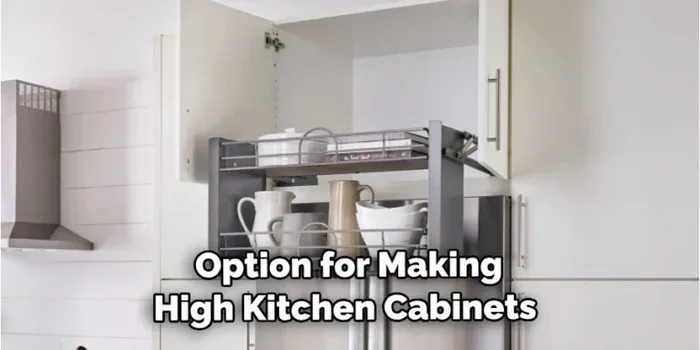
If you want a real fix, pull-down shelves are the answer. These clever devices mount inside your upper cabinets. They lower the entire shelf down to your height. You grab what you need and push it back up. It’s simple and brilliant.
Pull-down shelf systems come in different styles. Some use spring-loaded mechanisms. Others rely on a simple pulley system. Both work well. The key is choosing the right one for your cabinet height and how often you use that space.
How Pull-Down Shelves Work
The concept is straightforward. A shelf attaches to a rail system mounted inside the cabinet. When you pull the shelf down, it descends smoothly to a comfortable height. You grab your items and push it back up. The mechanism holds the shelf at any position.
These systems work best on cabinets that are 72 inches or taller. They transform those awkward top shelves into usable space. You’ll actually store more items and find them faster too.
Pros and Cons of Pull-Down Shelf Systems
| Pros | Cons |
|---|---|
| Makes upper cabinets fully accessible | Higher upfront cost than other solutions |
| Permanent installation keeps everything secure | Requires some DIY skill or professional help |
| Maximizes storage in tall cabinets | Not easily removable once installed |
| Reduces strain from reaching and climbing | May not fit all cabinet sizes |
The installation process varies. Some systems mount directly to the cabinet frame. Others need additional hardware. Measure your cabinet dimensions carefully before purchasing. Most kits include everything you need for a straightforward install.
Try Reach and Grab Tools for Everyday Items
Sometimes you just need to grab one thing from a high shelf. A full step stool or shelf system feels like overkill for that situation. That’s where reach and grab tools shine.
These lightweight devices extend your reach by several feet. Most have a gripping mechanism at the end that opens and closes with a squeeze. You point, squeeze, and grab. It works for items on high cabinets, top of the fridge, or even ceiling fans.
Types of Grabber Tools
The market offers several styles of reach tools:
- Standard grabber sticks: Lightweight and affordable. Great for occasional use.
- Magnetic grabbers: Perfect for picking up small metal items like lids or screws.
- Rotating jaw grabbers: These grip items more securely with a twisting motion.
- Extended reachers with magnets: Combine grabbing power with magnetic pickup.
Keep a grabber tool in a kitchen drawer or on a hook near your cabinets. It takes up almost no space and pays for itself the first time you use it. These tools also help with picking up items from the floor, which adds another layer of kitchen safety.
Quick Tip: Choose the Right Length
Grabber tools come in lengths from 2 to 36 inches. For high kitchen cabinets, aim for at least 30 inches. That gives you the reach you need without straining. Test the grip strength before buying too. You want it to hold securely, not drop your items halfway down.
Reorganize Your Cabinets for Better Access
Sometimes the best solution isn’t a tool at all. It’s how you arrange what’s inside your cabinets. Smart reorganization can make every shelf easier to use. You’ll spend less time searching and more time cooking.
The golden rule of kitchen cabinet organization is simple. Store items where you use them most. Daily essentials belong at eye level. That’s the sweet spot between waist and shoulder height. Weekly items can go on the shelves just above or below. Rarely used items belong on the highest or lowest shelves.
Create a Cabinet Access Plan
Take everything out of your high cabinets. Sort items into three groups:
- Daily use items: Coffee mugs, cooking oils, everyday plates
- Weekly use items: Specialty bakeware, extra serving bowls
- Seasonal or rare items: Holiday platters, extra storage containers
Now assign each group a shelf level. Daily items go on middle shelves that you can reach comfortably. Weekly items can stay on higher shelves if you use a step stool occasionally. Seasonal items can go on the very top if needed.
While you’re reorganizing, consider adding cabinet organizers inside each cabinet. Tiered shelf risers create two levels of storage on a single shelf. That doubles your space without going higher. Lazy susans work wonders in corner cabinets. You spin them to access items that would otherwise hide in the back.
How to Store Breakfast Staples for Easy Access
If you make high protein overnight oats or prepare high protein breakfast wraps regularly, keep those ingredients on a middle shelf. Oats, protein powder, nut butter, and tortillas should be easy to grab every morning. You don’t want to climb for breakfast ingredients before your coffee.
The same goes for dinner prep items. If you make high protein tikka rolls during the week, store your spice blends and wraps where you can reach them without hassle. Kitchen organization should support your actual cooking habits, not fight against them.
Add Wall-Mounted Storage to Reduce Cabinet Dependence
One of the smartest ways to reach high kitchen cabinets less often is to store items somewhere else entirely. Wall-mounted storage takes advantage of vertical space without going into the cabinet at all.
When you move frequently used items to the walls, your cabinets stay lighter and easier to manage. You also free up shelf space for things that really belong in enclosed storage.
Wall Storage Options That Work
- Magnetic knife strips: Mount near your prep area for quick access to knives.
- Wall-mounted spice racks: Keep spices visible and within arm’s reach while cooking.
- Floating shelves: Store everyday dishes and glasses right where you need them.
- Over-the-door organizers: Use cabinet door space for spices, lids, and small items.
- S-hooks on wall cabinets: Hang measuring cups, pot holders, and lightweight tools.
These solutions don’t just improve access. They also make your kitchen look cleaner and more organized. Items stay visible instead of hidden away. You remember what you have and use it more often.
Expert Insight: Think Vertically
Kitchen designers call this concept vertical storage. Instead of relying only on cabinet depth, you use wall height. The result is a kitchen that feels more open and works more efficiently. Even adding one or two wall-mounted solutions can dramatically reduce how often you need to open those high cabinets.
Safety Tips for Accessing High Kitchen Cabinets
Safety should always come first when dealing with high kitchen cabinets. Every year, thousands of people visit emergency rooms after kitchen falls. Most of these injuries are completely preventable with the right approach.
Never use a chair, countertop, or any improvised surface to reach high shelves. These items aren’t designed for climbing. They’re unstable. They can slide out from under you in an instant. A proper step stool with non-slip feet is the minimum safe option.
Kitchen Safety Checklist for High Cabinet Access
- Always use a stable step stool: No exceptions, even for quick grabs.
- Keep one hand on the cabinet: This gives you balance while reaching.
- Don’t overreach: If you can’t comfortably reach, use a tool or stool.
- Clear your path: Remove obstacles between you and the cabinet.
- Ask for help: If you’re unsure, have someone spot you or retrieve the item.
- Install cabinet locks: Heavy items on high shelves should be secured to prevent falls.
Common Mistakes People Make
Avoid these mistakes that turn simple cabinet access into a hazard:
- Standing on the counter: Counters aren’t designed to hold your weight while you climb.
- Using rolling chairs: Wheels make everything unstable and dangerous.
- Overloading a step stool: Check the weight limit and stay under it.
- Reaching in awkward positions: Twist your body instead of stretching at odd angles.
- Ignoring clutter on the floor: A clear path prevents tripping when stepping up or down.
These habits might feel convenient in the moment. But they create real risk over time. Building safe routines now protects your body for years of cooking ahead.
Choose the Right Solution for Your Kitchen
Every kitchen is different. Your best solution depends on your cabinet height, how often you access those upper shelves, and your budget. Let’s look at how to match the right solution to your situation.
Match the Solution to Your Needs
For occasional access, a step stool and a reach and grab tool cover most needs. These two items together cost under $50 and solve the problem for most people. They’re portable, easy to store, and work immediately.
For daily access to upper cabinets, invest in pull-down shelves. The upfront cost runs higher, but the daily convenience is unmatched. You’ll wonder how you ever cooked without them.
If your main issue is too much stuff in high cabinets, focus on reorganization and wall storage. Moving items to walls and lower shelves often solves the problem without any special tools at all.
For the best results, combine solutions. Use a step stool for the highest shelves. Add tiered organizers on middle shelves. Install a magnetic strip on the wall for frequently used items. This layered approach covers every situation.
Quick Comparison of Solutions
Here’s a quick look at how each solution compares:
- Step stool: Low cost, portable, best for occasional use. Requires physical climbing.
- Pull-down shelves: Medium to high cost, permanent, best for daily use. Requires installation.
- Reach and grab tool: Very low cost, portable, best for single items. Limited gripping ability.
- Wall storage: Low to medium cost, semi-permanent, best for frequently used items. Reduces cabinet dependence.
- Reorganization: Free, immediate, best for any kitchen. Requires time and effort upfront.
The right combination gives you full access without any ladder. You stay safe, your kitchen stays organized, and your daily routine flows smoothly.
Final Thoughts on Reaching High Kitchen Cabinets
High kitchen cabinets don’t have to be a source of frustration or danger. With the right approach, you can access every shelf safely and easily. The key is choosing solutions that fit your kitchen, your habits, and your body.
Start with the simplest option that works for you. A step stool and a grabber tool solve most problems immediately. Then think bigger if needed. Pull-down shelves, wall storage, and smart reorganization take your kitchen to the next level.
Remember that reaching high kitchen cabinets is about more than convenience. It’s about safety. It’s about making your kitchen work for you instead of against you. Small changes create big improvements in how you cook, clean, and enjoy your space every day.
Pick one solution from this guide and try it this week. You’ll feel the difference immediately. And once you experience how good it feels to access everything in your kitchen without a ladder, you’ll never go back.
Frequently Asked Questions
What is the safest way to reach high kitchen cabinets?
The safest way is using a non-slip step stool with handrails. Keep it on a flat surface and always maintain three points of contact. A reach and grab tool is even safer since you don’t need to climb at all. Avoid chairs, countertops, or any improvised surfaces.
How do you organize high kitchen cabinets?
Start by sorting items into daily, weekly, and seasonal use categories. Place daily items on lower, easily accessible shelves. Use tiered shelf risers and lazy susans to maximize space. Store seasonal items on the highest shelves where they only need occasional access.
Can you install pull-down shelves in any kitchen cabinet?
Pull-down shelves work best in cabinets that are at least 72 inches tall. They require solid mounting points and some DIY ability. Measure your cabinet dimensions carefully before purchasing a system. Some kits are adjustable to fit different cabinet sizes.
What tools help you reach items on high shelves?
Reach and grab tools are the most popular option. They extend your reach by 2 to 36 inches depending on the model. Magnetic grabbers help with small metal items like lids. For heavier items, a step stool combined with a grabber provides the safest approach.
How can I make my kitchen more accessible without renovations?
Start with wall-mounted storage like magnetic strips, floating shelves, and over-the-door organizers. These free up cabinet space immediately. Add a step stool near your most-used cabinets. Reorganize items by frequency of use so daily essentials are always within easy reach.
Are there affordable alternatives to pull-down shelves?
Yes! A sturdy step stool costs under $30 and works immediately. Reach and grab tools run $10 to $20. Tiered shelf risers and lazy susans are also budget-friendly and dramatically improve access to existing shelves. You can outfit your kitchen for under $50 without any major renovations.