
Kingston cafe kitchen nightmares reveal shocking truths about food safety, hygiene failures, and operational chaos behind the scenes. These stories expose common mistakes that plague small cafes and restaurant owners every single day. You will learn about real kitchen disasters, health code violations, and the surprising ways some cafes managed to fight back and transform their businesses. Whether you are a cafe owner or a curious food lover, these Kingston cafe kitchen nightmares will open your eyes to what really goes on in commercial kitchens.
You walk into a cozy cafe in Kingston. The smell of fresh coffee fills the air. The pastries look delicious. But behind that charming front, Kingston cafe kitchen nightmares are hiding in plain sight. Dirty surfaces, expired ingredients, and overwhelmed staff create a reality that most diners never see.
These stories are not just gossip. They come from real health inspections, customer reviews, and insider accounts from people who worked in these kitchens. The truth about what happens behind the kitchen doors in Kingston cafes will shock you. And more importantly, it will teach you what to watch out for when you eat out.
In this article, we dive deep into the world of restaurant failures and kitchen chaos. We explore real examples of food safety violations, poor hygiene standards, and operational breakdowns. We also look at how some cafes managed to overcome these challenges and become better restaurants. Whether you are a food lover, a cafe owner, or just curious, this guide has something valuable for you.
Key Takeaways
- Kitchen hygiene failures are common: Many Kingston cafes face serious hygiene issues that put customers at risk.
- Staff training prevents disasters: Proper training reduces kitchen mistakes and improves food safety dramatically.
- Health inspections catch hidden problems: Regular inspections reveal issues that owners often overlook or ignore.
- Restaurant turnarounds are possible: Even the worst Kingston cafe kitchen nightmares can be fixed with the right approach.
- Inventory management saves money: Poor inventory control leads to food waste and operational chaos.
- Customer feedback drives change: Listening to diners helps cafes identify kitchen problems early.
- Small changes create big results: Simple organizational tweaks can transform a chaotic kitchen into an efficient operation.
📑 Table of Contents
- What Are Kingston Cafe Kitchen Nightmares?
- Real Stories from Kingston Kitchen Nightmares
- How Kitchen Nightmares Affect Customers
- Warning Signs of a Troubled Kitchen
- How Cafes Can Overcome Kitchen Nightmares
- Preventing Future Kitchen Nightmares
- Quick Tips for Avoiding Kitchen Disasters
- Key Takeaways
- Frequently Asked Questions
- Conclusion
What Are Kingston Cafe Kitchen Nightmares?
When people talk about Kingston cafe kitchen nightmares, they mean the worst-case scenarios that happen in commercial kitchens. These are not just small mistakes. They are serious problems that affect food quality, customer safety, and the reputation of a business.
Every city has its share of troubled restaurants. But Kingston has become a hotspot for stories about kitchen chaos. The reasons range from poor management to lack of training. Let us break down what these nightmares really look like.
Common Kitchen Nightmares in Kingston Cafes
Not all kitchen problems are the same. Some are minor and easy to fix. Others can shut down a business overnight. Here are the most common issues found in Kingston cafes:
- Expired ingredients: Using products past their expiration date is a serious food safety violation. Many kitchens store items too long and lose track of dates.
- Cross-contamination: Raw meat touching ready-to-eat food creates dangerous bacteria. This happens when staff do not follow proper kitchen hygiene protocols.
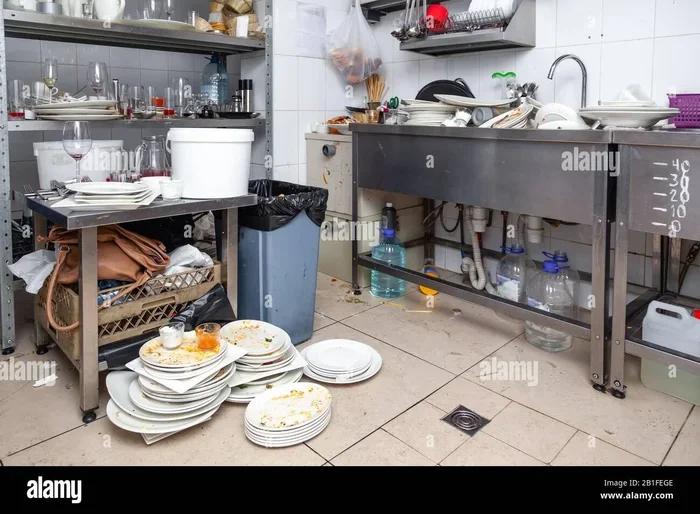
- Dirty equipment: Greasy ovens, unwashed utensils, and filthy prep surfaces breed germs. Health code violations often stem from equipment neglect.
- Poor temperature control: Food stored at wrong temperatures grows harmful bacteria quickly. Refrigerators that are too warm or ovens that run cold create serious risks.
- Pest infestations: Cockroaches, mice, and flies are nightmare fuel for any restaurant. These problems often go unnoticed until they become severe.
- Staff shortages: Overworked employees make mistakes. When kitchens are short-staffed, operational efficiency drops and shortcuts become tempting.
Why Kingston Cafes Face These Problems
Kingston has a vibrant food scene. New cafes open every month. But the competition is fierce. Small business owners often cut corners to save money. They skimp on staff training, delay equipment maintenance, and ignore warning signs. These shortcuts lead directly to restaurant failures.
High rent in Kingston also adds pressure. Cafe owners work with tight margins. When every dollar counts, investing in proper kitchen organization and hygiene standards often falls to the bottom of the priority list. The result is a ticking time bomb of kitchen management problems.
Real Stories from Kingston Kitchen Nightmares
The best way to understand Kingston cafe kitchen nightmares is through real stories. These accounts come from former employees, health inspectors, and customers who experienced things they never forgot.
The Case of the Mystery Meat
One Kingston cafe made headlines when a customer found a strange object in their meal. The kitchen staff could not explain what it was. An investigation revealed that the restaurant had been storing raw and cooked meats together. The food preparation errors led to cross-contamination that could have made several people seriously ill.
The health inspector found multiple health code violations during the visit. The cafe received a warning and was ordered to fix the issues immediately. This story spread quickly through local social media groups and review sites.kitchen hygiene is not optional.
The Cafe That Ran Out of Everything
Another Kingston cafe became infamous for running out of key ingredients multiple times a week. Customers arrived expecting their favorite dishes and left disappointed. The problem traced back to poor inventory management. The owner did not track stock levels or plan orders properly.
This kind of restaurant turnaround story shows how small operational failures snowball into big reputation damage. Diners took to online reviews to share their frustration. The cafe lost regular customers within weeks. It was a clear example of how customer complaints about food availability can destroy a business.
The Health Inspection That Closed a Popular Spot
One of the most talked-about Kingston cafe kitchen nightmares involved a popular brunch spot that was shut down for a week. Health inspectors found rodent droppings in the dry storage area. The kitchen floors were greasy and slippery. Handwashing stations were not functioning properly.
The owner was devastated. The cafe had been open for three years and had built a loyal following. But the restaurant failures caught up fast. After the closure, the owner invested heavily in equipment maintenance, staff retraining, and a complete overhaul of the cleaning schedule. The cafe reopened stronger and more careful than ever before.
How Kitchen Nightmares Affect Customers
When Kingston cafe kitchen nightmares happen, the customers feel the impact first. Food safety issues can lead to illness, allergic reactions, and loss of trust. But the effects go beyond just one bad meal.
The Trust Factor
Trust is everything in the food industry. Once a diner has a bad experience, they rarely return. Online reviews spread fast. A single negative story about food safety violations can damage a cafe’s reputation for months. In today’s digital age, one bad review can reach thousands of people in hours.
Customers today are more aware of hygiene standards than ever before. They check health inspection scores before visiting. They read reviews carefully. They look for signs of a clean and well-run kitchen. When a cafe fails to meet these expectations, the consequences are severe.
The Ripple Effect on the Whole Neighborhood
One troubled cafe can affect the entire area. When a Kingston cafe faces a scandal, neighboring restaurants also suffer. People start avoiding the whole block or neighborhood. This ripple effect shows why operational efficiency and kitchen organization matter not just for one business but for the entire dining community.
Warning Signs of a Troubled Kitchen
Not all Kingston cafe kitchen nightmares happen overnight. There are warning signs that attentive diners and smart business owners can spot. Learning to recognize these red flags can save you from a bad experience or help you fix problems before they grow.
Signs for Diners
If you are eating out, watch for these warning signs:
- Dirty tables and floors: A messy dining area often reflects a messy kitchen. If the front of the house is not clean, the back probably is not either.
- Slow service: When food takes too long, it may mean the kitchen is disorganized or understaffed. This often leads to food preparation errors.
- Inconsistent food quality: If your favorite dish tastes different every time, the kitchen likely lacks proper menu planning and quality control.
- Staff looking overwhelmed: Visible stress among kitchen workers often means the staff training is insufficient and processes are broken.
- Unusual smells: Bad odors in a dining area can indicate problems with kitchen hygiene or spoiled ingredients behind the scenes.
Signs for Cafe Owners
If you run a cafe, these signs should trigger immediate action:
- Rising customer complaints: Pay attention to negative reviews that mention food quality or service issues.
- Staff turnover: High turnover often points to a toxic kitchen culture or poor management.
- Wasted food: Excessive food waste signals problems with inventory management and ordering practices.
- Frequent equipment breakdowns: This suggests equipment maintenance has been neglected for too long.
- Missed health inspection deadlines: Ignoring required inspections is a dangerous path toward serious restaurant failures.
How Cafes Can Overcome Kitchen Nightmares
The good news is that Kingston cafe kitchen nightmares do not have to be permanent. Many cafes have successfully turned their businesses around. The key is taking action before small problems become big disasters.
Step 1: Conduct a Honest Kitchen Audit
The first step in any restaurant turnaround is honesty. Walk through your kitchen and look at it with fresh eyes. Check every surface, every piece of equipment, and every storage area. Ask yourself hard questions about hygiene standards and kitchen management.
Hire a professional if needed. A third-party health inspection consultant can spot problems that you have become blind to. Sometimes an outside perspective is exactly what a struggling cafe needs.
Step 2: Invest in Staff Training
Your kitchen staff are the backbone of your operation. Proper staff training in food safety, hygiene protocols, and kitchen procedures prevents most kitchen nightmares. Invest time and resources in training programs that cover:
- Proper handwashing techniques
- Safe food storage temperatures
- Cross-contamination prevention
- Equipment cleaning schedules
- Emergency procedures for food safety issues
Well-trained staff make fewer mistakes. They feel more confident and take pride in their work. This directly improves the dining experience for every customer who walks through your door.
Step 3: Improve Inventory and Waste Management
Implement a menu planning system that aligns with what you actually sell. Track inventory carefully and order only what you need. This reduces food waste and saves money over time.
Set up a first-in, first-out system for all ingredients. Label everything with dates. Conduct weekly checks for expired products. These simple habits prevent many of the food safety violations that plague struggling cafes.
Step 4: Create a Cleaning Schedule and Stick to It
A written cleaning schedule removes guesswork from kitchen maintenance. Assign specific tasks to specific staff members at specific times. Post the schedule where everyone can see it. Review it regularly and make adjustments as needed.
Consistent equipment maintenance also plays a huge role. Clean ovens, grease traps, and ventilation systems on schedule. Well-maintained equipment runs better and lasts longer. It also passes health inspections more easily.
Step 5: Listen to Customer Feedback
Your customers are your best source of information about kitchen organization and food quality. Encourage honest feedback through comment cards, online surveys, and direct conversations. When someone complains, take it seriously and investigate the root cause.
Addressing customer complaints quickly shows that you care. It also helps you catch food preparation errors before they affect more people. A responsive cafe builds loyalty and trust that lasts.
Preventing Future Kitchen Nightmares
Once you have fixed the immediate problems, the next step is prevention. The best way to deal with Kingston cafe kitchen nightmares is to make sure they never happen again. This requires building a culture of excellence and accountability in your kitchen.
Build a Culture of Cleanliness
Hygiene standards should be part of your cafe’s DNA. Not just a checklist you complete once a day. Make cleanliness a value that every team member understands and embraces. When everyone takes ownership of kitchen hygiene, problems get caught early.
Stay Up to Date with Regulations
Health codes and food safety regulations change over time. Stay informed about updates from your local health department. Attend workshops, read industry publications, and connect with other cafe owners. Knowledge is your best defense against restaurant failures.
Plan for Growth and Busy Periods
Many kitchen nightmares happen during busy rushes when the kitchen is overwhelmed. Plan your staffing and operational efficiency for peak times. Have backup plans in place for when things get hectic. Preparation prevents chaos.
Quick Tips for Avoiding Kitchen Disasters
Here are some fast, actionable tips to keep your Kingston cafe kitchen running smoothly:
- Check expiration dates daily: Make it a morning routine to inspect all ingredients for freshness.
- Separate raw and cooked foods: Use different cutting boards, containers, and storage areas.
- Train every new employee: Do not skip orientation training on hygiene and safety protocols.
- Keep a maintenance log: Track all equipment cleaning and repairs in one place.
- Review health inspection reports: Learn from past violations and make sure they do not repeat.
- Communicate with your team: Hold brief daily meetings to discuss any kitchen issues or concerns.
- Stay organized: Label shelves, arrange ingredients logically, and keep workspaces clutter-free.
Key Takeaways
- Kitchen hygiene failures are common: Many Kingston cafes face serious hygiene issues that put customers at risk.
- Staff training prevents disasters: Proper training reduces kitchen mistakes and improves food safety dramatically.
- Health inspections catch hidden problems: Regular inspections reveal issues that owners often overlook or ignore.
- Restaurant turnarounds are possible: Even the worst Kingston cafe kitchen nightmares can be fixed with the right approach.
- Inventory management saves money: Poor inventory control leads to food waste and operational chaos.
- Customer feedback drives change: Listening to diners helps cafes identify kitchen problems early.
- Small changes create big results: Simple organizational tweaks can transform a chaotic kitchen into an efficient operation.
Frequently Asked Questions
What are Kingston cafe kitchen nightmares?
Kingston cafe kitchen nightmares refer to serious problems that occur behind the scenes in Kingston cafes. These include expired ingredients, cross-contamination, dirty equipment, and health code violations. They can damage a cafe’s reputation and put customers at risk.
How common are food safety violations in Kingston cafes?
Food safety violations happen more often than most people realize. Many Kingston cafes have been cited for hygiene standards breaches during routine health inspections. The frequency depends on the size of the operation and the level of kitchen management in place.
Can a cafe recover from a kitchen nightmare?
Yes, many cafes have successfully recovered from serious restaurant failures. The key is taking immediate action, investing in staff training, improving kitchen organization, and listening to customer feedback. A genuine restaurant turnaround is possible with commitment and effort.
What should I do if I find something wrong with my food?
If you discover a problem with your meal, notify the staff immediately. Document what you found with photos if possible. Report serious issues to your local health department. Your customer complaints help protect other diners and push cafes to maintain better food preparation standards.
How can cafe owners prevent kitchen disasters?
Cafe owners can prevent disasters by creating strict cleaning schedules, investing in regular equipment maintenance, and implementing proper inventory management. Ongoing staff training in food safety protocols is also essential. Regular self-audits help catch problems before they escalate.
Why do Kingston cafes struggle with kitchen organization?
Kingston cafes often struggle with kitchen organization due to tight budgets, high rent costs, and rapid business growth. When owners prioritize speed over systems, operational efficiency suffers. Small spaces and high demand create pressure that leads to shortcuts in hygiene standards and food waste management.
Conclusion
The world of Kingston cafe kitchen nightmares is more common and more serious than most people think. From expired ingredients to serious food safety violations, these stories reveal the hidden challenges that many cafes face every day. But they also show us that change is always possible.
Whether you are a diner who wants to make safer choices or a cafe owner looking to improve your operations, understanding these kitchen nightmares gives you power. You can spot warning signs, avoid risky situations, and support cafes that take hygiene standards seriously.
The most important lesson from these stories is that small actions lead to big results. A clean kitchen, a well-trained team, and a commitment to operational efficiency can transform even the worst restaurant failures into success stories. The next time you visit a cafe in Kingston, remember what goes on behind the doors. And use that knowledge to make informed choices about where you eat.
Kingston cafe kitchen nightmares do not have to define the future. With awareness, education, and action, every cafe can serve better food in a safer environment. That is a takeaway worth sharing with every food lover and business owner you know.