
PTO stands for Power Take-Off, the system that transfers engine power to the blade on your lawn mower. Understanding how PTO works helps you mow more efficiently, maintain your equipment properly, and avoid costly repairs. This guide covers everything from basic PTO operation to troubleshooting common problems.
Key Takeaways
- PTO means Power Take-Off: It is the mechanism that connects your mower engine to the cutting blade.
- Two main types exist: Manual lever and electric switch systems are the most common in residential and commercial mowers.
- Regular maintenance is essential: A well-maintained PTO system keeps your lawn tractor running smoothly and safely.
- Common problems are fixable: Slipping belts, worn clutch plates, and switch failures are easy to diagnose at home.
- Safety always comes first: Never engage PTO without proper guards and protective equipment in place.
📑 Table of Contents
- What Does PTO Mean on a Lawn Mower?
- How PTO Works in a Lawn Mower
- Types of PTO Systems Found on Mowers
- Why PTO Matters for Your Lawn Care Routine
- Common PTO Problems and How to Fix Them
- Tips for Maintaining Your PTO System
- PTO vs. Manual Blade Engagement
- Expert Insights on PTO Usage
- Quick Tips for PTO Operation
- Final Thoughts on Your PTO System
What Does PTO Mean on a Lawn Mower?
If you have ever looked at the controls on your riding mower or lawn tractor and spotted a label that says PTO, you are not alone in wondering what it means. PTO stands for Power Take-Off. It is the system that transfers power from the engine to the cutting blade. Without it, your rotary mower would have a running engine but a completely still blade.
The PTO system is the heart of your grass cutting experience. When you pull a lever or flip a switch, you are engaging a clutch mechanism that spins the mower deck at high speed. This is what turns your machine from a simple ride-along vehicle into a powerful cutting tool. Whether you have a small residential mower or a heavy-duty commercial mower, the PTO does the same fundamental job.
Knowing how your PTO works gives you more control over your lawn care routine. You can engage the blade exactly when you need it and disengage it when you are turning or crossing rough ground. This saves fuel, reduces wear on your blade, and keeps your lawn looking its best. In short, the PTO is what makes your mower actually mow.
Most homeowners use their mowers for years without ever thinking about the PTO. But once you understand how it works, you can troubleshoot problems faster, perform better maintenance, and even choose a better machine next time you shop. Let us break it all down.
How PTO Works in a Lawn Mower
The Basic Mechanism
The PTO shaft is the rotating component that connects the engine to the blade. When the engine runs, it turns the PTO shaft at a consistent speed. This rotation travels through the mower deck belt and spins the blade underneath the deck. The whole process happens in seconds once you engage the system.
Here is a simple breakdown of how power flows through your mower:
- The engine produces rotational power.
- The PTO shaft transfers that power from the engine.
- The blade belt carries the rotation to the mower deck.
- The blade spins and cuts the grass.
- When you disengage PTO, the blade stops while the engine keeps running.
This separation between engine power and blade power is a key advantage. You can drive the mower around the yard with the blade off, which saves fuel and reduces unnecessary wear. When you are ready to cut, you simply engage the PTO switch or pull the blade engagement lever.
Manual vs. Electric PTO Engagement
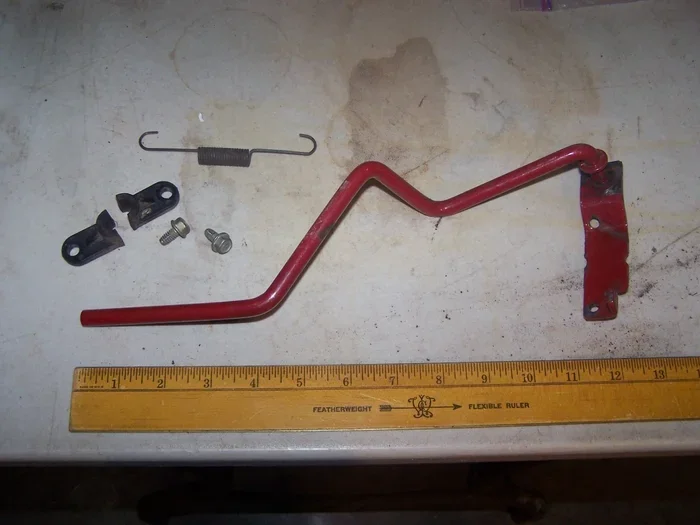
Most mowers use one of two methods to engage the PTO. The first is a manual system. You pull a lever, usually located near your right hand on the steering column or dashboard. This lever physically connects the engine to the blade through a cable or linkage system. It is simple, reliable, and found on many older and budget-friendly models.
The second method uses an electric switch. You flip a button or toggle, and an electromagnetic clutch does the work for you. This is more common on modern lawn tractors and higher-end riding mowers. The electric system feels smoother and requires less physical effort. Many homeowners prefer it for daily use.
Types of PTO Systems Found on Mowers
Independent PTO
An independent PTO lets you run the engine and the blade separately. This is the most common setup on residential mowers. You can drive the mower across the yard with the blade off, then engage PTO only when you are ready to cut. This design gives you more control and improves fuel efficiency.
Independent PTO is especially useful when you need to mow around obstacles like trees, flower beds, or garden edges. You can slow down or stop the blade without killing the engine. It makes your lawn operation much more flexible and precise.
Non-Independent PTO
A non-independent PTO connects the blade directly to the engine. When the engine runs, the blade spins. This type is less common in residential mowers but you will find it on some older models and certain types of garden equipment. It is simpler in design but offers less control during mowing.
Non-independent systems are sometimes found on smaller walk-behind mowers and some specialized equipment. If your blade always spins whenever the engine is on, you likely have this type. It works fine for basic grass cutting but lacks the convenience of an independent system.
Live PTO (For Garden and Agricultural Equipment)
A live PTO is a more advanced system found on garden tractors and some commercial mowers. It allows you to operate implements like tillers, aerators, or snow blowers while the tractor moves. The PTO stays engaged regardless of whether you are pressing the clutch pedal. This is a powerful feature for serious lawn care enthusiasts.
Live PTO systems use a hydraulic or pneumatic clutch to maintain power delivery. They are more complex and expensive but offer unmatched versatility. If you use your mower for more than just cutting grass, a live PTO setup is worth considering.
Why PTO Matters for Your Lawn Care Routine
Better Control Over Cutting
The PTO system gives you precise control over when and where the blade engages. You can mow around delicate landscaping without worrying about accidental blade contact. This level of control makes every mowing session safer and more efficient.
When you disengage PTO before turning or crossing gravel paths, you protect both your blade and your lawn. The cutting height stays consistent because the blade only spins when you want it to. This small habit makes a big difference in the quality of your finished yard.
Extended Equipment Life
Engaging PTO only when needed reduces wear on your mower deck belt and blade. Less friction means fewer replacements and lower maintenance costs over time. Your engine also lasts longer because it is not working harder than necessary.
Think of it this way. Every minute your blade spins when it does not need to is a minute of unnecessary strain. By using your PTO wisely, you are investing in the longevity of your entire machine. Smart operators always engage and disengage PTO with intention.
Improved Fuel Efficiency
Running the blade only when you are actually cutting saves fuel. This is especially true for gas-powered riding mowers with larger engines. Over a full mowing season, the fuel savings from smart PTO use can add up to noticeable dollars saved.
For homeowners with large yards, this efficiency gain is even more significant. A 50-minute mowing session with smart PTO use can save a quarter of a gallon or more compared to running the blade continuously. Those savings compound year after year.
Enhanced Safety
PTO engagement directly affects your safety on the machine. When the blade is not spinning, you can clear jams, cross rough terrain, or hop off the mower without the risk of a rotating blade underneath. Always disengage PTO before making any adjustments or walking away from the machine.
Proper mower safety practices start with understanding your PTO. Make sure all safety guards are in place and that your blade engagement lever returns to the off position easily. A sticky or broken lever is a serious safety hazard that needs immediate attention.
Common PTO Problems and How to Fix Them
PTO Won’t Engage
This is the most common PTO complaint. If your blade does not spin when you pull the lever or flip the switch, several things could be at fault. Start by checking the PTO switch for electrical issues. A multimeter can tell you if the switch is sending power to the clutch.
Next, inspect the cable or linkage on manual systems. A stretched or frayed cable will not engage the clutch properly. Replacing a cable is inexpensive and usually takes just a few minutes. For electric systems, check the wiring harness for loose connections or corrosion.
Blade Spins but Cuts Poorly
If your blade spins but does not cut grass cleanly, the PTO may be engaging at too low a speed. Check that the engine is running at full throttle when you engage PTO. A worn mower deck belt can also slip and reduce blade speed. Replace the belt if you see cracking, glazing, or stretching.
Another cause is a dull blade. Even with perfect PTO function, a dull blade tears grass instead of cutting it. Sharpen or replace your blade at least once per season for the best results.
PTO Engages on Its Own
A PTO that engages without your input is a serious concern. This usually points to a stuck cable, a faulty switch, or a seized clutch. Inspect the cable for kinks or binding. If the cable moves freely, test the switch for short circuits. In rare cases, the clutch itself may need replacement.
Never ignore a PTO that engages on its own. It is a safety risk and can damage your mower deck or blade if the machine moves unexpectedly. Address the problem immediately before your next mowing session.
Grinding or squealing Noise When Engaging PTO
A grinding sound when you engage the PTO often means the clutch plates are worn or contaminated. Dirt, grass clippings, or moisture can get into the clutch assembly and cause friction damage. Clean the clutch thoroughly and inspect the plates for wear.
Squealing noises usually indicate a loose or misaligned PTO shaft or belt. Check the belt tension and alignment. A belt that is too tight or too loose will create noise and reduce cutting performance. Adjust or replace as needed.
Tips for Maintaining Your PTO System
Regular Inspection Schedule
Make PTO inspection part of your regular mower maintenance routine. Before each mowing season, check the following:
- The cable tension and adjust if needed
- The condition of the blade engagement lever
- The electrical connections on your PTO switch
- The mower deck belt for wear and cracking
- The PTO shaft for damage or excessive play
A quick five-minute check before the first mow of the season can prevent major problems later. Catching a worn cable early saves you from a failed blade engagement in the middle of a mowing session.
Keep It Clean
Grass clippings, dirt, and debris build up around the PTO components over time. After each mow, take a few minutes to clean the mower deck and surrounding areas. Use a putty knife or wire brush to scrape away buildup. Keeping the PTO area clean prevents corrosion and allows the clutch to engage smoothly.
Pay special attention to the area around the clutch mechanism. Debris trapped near the clutch can cause it to engage partially or inconsistently. A clean PTO system runs cooler, lasts longer, and performs better.
Lubricate Moving Parts
The PTO shaft and any pivot points on the engagement lever need regular lubrication. Use a quality grease or oil recommended by your mower manufacturer. Apply lubricant after every few mowing sessions or at the start of each season.
Well-lubricated PTO components operate more smoothly and wear more slowly. This simple step extends the life of your entire drive system and keeps your lawn tractor running like new.
Replace Worn Parts Promptly
Do not wait for a PTO component to fail completely before replacing it. If you notice a cable stretching, a switch feeling loose, or a belt showing signs of wear, replace the part right away. Waiting turns a small repair into a big one and can leave you stranded mid-mow.
Keep common replacement parts on hand, especially the blade engagement lever cable and the mower deck belt. These are the most wear-prone components in any PTO system and are inexpensive to replace. Stocking them saves time and keeps your mower running all season long.
PTO vs. Manual Blade Engagement
Some older mowers and certain walk-behind models use a manual approach to blade engagement. Instead of a PTO system, the operator directly pushes a lever that presses the blade against a drive pulley. This method works but requires more physical effort and offers less precision than a modern PTO setup.
Here is a quick comparison of the two approaches:
- PTO systems use a clutch to engage the blade independently of the engine. They offer better control, improved safety, and less operator fatigue.
- Manual engagement connects the blade directly through a lever and belt system. It is simpler but requires the operator to manage blade speed manually.
For most homeowners, a PTO-equipped mower is the clear winner. It is more convenient, safer, and easier to maintain. If you are shopping for a new mower, prioritize models with a reliable PTO system.
Expert Insights on PTO Usage
Experienced lawn care professionals always emphasize the importance of proper PTO operation. Here are a few insights from the field that can help you get the most out of your mower.
Always warm up your engine before engaging PTO. Let the engine run for a minute or two at idle before you pull the lever. This allows the oil to circulate and the clutch to warm up. A warm engagement is smoother and puts less stress on the components.
Disengage PTO before turning sharply. When you make tight turns around trees or garden beds, disengage the blade. This prevents the blade from dragging through the grass and reduces unnecessary wear on your deck and belt.
Never mow wet grass with a disengaged PTO habit. While it is fine to run the engine without the blade in damp conditions, always make sure PTO engagement works properly before you need it. A stuck PTO on wet grass can lead to uneven cutting and clumping.
Keep your owner’s manual accessible. Every PTO system has specific maintenance requirements outlined by the manufacturer. Your manual will tell you the correct cable tension, belt type, and lubrication schedule for your exact model. Refer to it regularly.
Quick Tips for PTO Operation
- Engage PTO only when you are ready to cut grass.
- Disengage PTO before crossing gravel, driveways, or rough terrain.
- Check your blade engagement lever returns to the off position after each use.
- Listen for unusual sounds when engaging PTO and investigate immediately.
- Replace worn cables and belts before they fail completely.
- Keep the PTO area free of grass buildup and debris.
- Use the correct blade height setting to reduce strain on the PTO system.
Final Thoughts on Your PTO System
The PTO on your lawn mower is more than just a label on the dashboard. It is the system that makes your machine useful. From the PTO shaft to the blade engagement lever, every component works together to deliver clean, efficient grass cutting every time you mow.
Taking care of your PTO system pays off in better performance, lower repair costs, and a safer mowing experience. Simple habits like regular inspection, prompt part replacement, and proper engagement techniques go a long way. Your mower will reward you with years of reliable service.
Now that you understand what PTO means and how it works, you are better equipped to maintain your equipment and troubleshoot problems on your own. Share this knowledge with fellow homeowners and keep your lawn looking its best all season long.
After a long day of mowing and yard work, there is nothing quite like coming inside and enjoying a well-earned meal. If you are looking for some kitchen inspiration, check out our recipe for Greek Chickpeas on Toast for a quick and satisfying post-mowing snack. You might also enjoy our Chili Oil Eggs on Avocado Toast recipe for a hearty breakfast before you head out to the yard next time.
Frequently Asked Questions
What does PTO stand for on a lawn mower?
PTO stands for Power Take-Off. It is the system that transfers engine power to the cutting blade on your mower. When you engage the PTO, the blade starts spinning and your lawn mower begins cutting grass.
How do I know if my PTO is working correctly?
A working PTO engages the blade smoothly and consistently when you pull the lever or flip the switch. If the blade hesitates, spins slowly, or does not engage at all, your PTO system may need inspection. Check the cable, switch, and belt for common issues.
Can I mow with the PTO disengaged?
Yes, you can drive your riding mower with the PTO disengaged. In fact, experienced operators do this when crossing rough ground or turning to save fuel and reduce blade wear. Just remember to re-engage PTO before you start cutting.
How often should I maintain my PTO system?
Inspect your PTO system at the start of each mowing season and perform a quick check after every few uses. Lubricate moving parts, check cable tension, and inspect the blade deck belt for wear. Regular maintenance prevents most PTO problems.
Is a PTO the same as a clutch on a lawn mower?
Yes, the PTO functions as a clutch that connects the engine to the blade. When you engage the PTO, the clutch locks the blade shaft to the engine’s rotation. When you disengage it, the blade stops while the engine keeps running.
What should I do if my PTO makes a grinding noise?
A grinding noise usually means the clutch plates are worn or dirty. Clean the clutch assembly and inspect the plates for damage. If the plates are worn, replace them. Also check the PTO shaft and belt for misalignment or looseness that could cause noise.
=== CONCLUSION ===
PTO stands for Power Take-Off, and it is one of the most important systems on your lawn mower. Whether you have a simple manual lever or a modern electric switch, understanding how your PTO works helps you mow better, maintain your equipment smarter, and stay safer in the yard.
Take the time to learn your specific PTO system. Check the cable tension, keep the components clean, and replace worn parts before they cause bigger problems. Your lawn tractor will reward you with reliable performance season after season. Now you know exactly what PTO means on a lawn mower and why it truly matters for every mow.