

Kitchen faucet connections come in a few standard sizes, and knowing the right one saves you time and money. Most kitchen faucets use either a 3/8-inch or 1/2-inch connection, but the exact size depends on your sink type and mounting style. This guide walks you through measuring, choosing, and installing the perfect faucet connection size for your kitchen.
Kitchen faucet connections might seem like a small detail, but they make a huge difference when you are installing or replacing a faucet. Getting the wrong size leads to leaks, wasted money, and frustration. Whether you are upgrading an old faucet or building a new kitchen, understanding kitchen faucet connections is the first step to a smooth project.
The good news is that most kitchen faucets follow standard sizes. Once you know what to look for, measuring and matching becomes simple. This guide covers everything you need to know about faucet connection sizes, from basic measurements to installation tips. By the end, you will feel confident picking the right faucet for your sink.
Key Takeaways
- Standard sizes exist: Most kitchen faucet connections are 3/8-inch or 1/2-inch, and matching the right size prevents leaks and fitting issues.
- Measure before you buy: Use a simple ruler or tape measure to check the thread size and hole diameter of your current faucet or sink.
- Multiple connection types: Threaded, compression, and quick-connect fittings are the most common, and each requires a different approach.
- Adapters solve most problems: If your new faucet doesn’t match your sink, adapters and deck plates can bridge the gap easily.
- Installation is manageable: With the right tools and a little patience, most homeowners can swap out a kitchen faucet without calling a plumber.
- Check your sink first: The number of faucet holes in your sink determines which faucet sizes and styles will work.
📑 Table of Contents
- Understanding Kitchen Faucet Connection Sizes
- Common Kitchen Faucet Connection Types
- How to Measure Your Kitchen Faucet Connections
- Standard Kitchen Faucet Size Chart
- Choosing the Right Faucet for Your Sink
- Installation Tips and Common Mistakes
- Key Maintenance Tips for Kitchen Faucet Connections
- Conclusion
Understanding Kitchen Faucet Connection Sizes
When we talk about kitchen faucet connections, we are referring to the fitting where the faucet meets the sink and the water supply lines. These connections come in standard sizes that most manufacturers follow. Knowing these sizes helps you avoid buying the wrong faucet or adapter.
The two most common connection sizes for kitchen faucets are 3/8-inch and 1/2-inch. These refer to the diameter of the supply line fitting. However, the connection size is only one part of the puzzle. You also need to consider the mounting style, the number of holes in your sink, and the type of faucet you want.
Why Connection Size Matters
Using the wrong faucet connection size can cause several problems. A too-large fitting will not seat properly, leading to water leaks under the sink. A too-small fitting may not reach the supply valve, forcing you to use extensions or adapters. In some cases, an incorrect size can damage your plumbing or the faucet itself.
Getting the size right the first time saves you from costly mistakes. It also makes the installation process faster and cleaner. Whether you are a DIY enthusiast or hiring a pro, knowing your kitchen faucet connections size gives you control over the project.
Common Kitchen Faucet Connection Types
Not all faucet connections are the same. Different types serve different purposes and work with different sink setups. Here are the most common connection types you will encounter.
Threaded Connections
Threaded connections are the most traditional type found in kitchens. They use screw-in fittings that attach the faucet to the water supply lines. These connections are reliable and widely available. Most threaded kitchen faucet connections use either a 3/8-inch or 1/2-inch thread size.
The threads can be male or female. Male threads stick out, while female threads are on the inside of the fitting. Matching male to female is essential for a proper seal. Thread seal tape, also called Teflon tape, is often used to prevent leaks at threaded connections.
Compression Fittings
Compression fittings use a nut and a ferrule to create a tight seal. You tighten the nut, which compresses the ferrule against the water supply line. These fittings are common in older homes and are easy to install without special tools.
Compression fittings for kitchen faucet connections typically match the standard 3/8-inch or 1/2-inch sizes. They work well with both plastic and metal supply lines. One advantage is that they are easy to remove and replace if needed.
Quick-Connect Systems
Quick-connect systems are becoming more popular in modern faucets. These fittings use a push-to-connect design that snaps the supply line into place. No tools are needed, and installation takes just a few seconds.
Many newer faucet brands use proprietary quick-connect systems. This means the connector is specific to that brand. If you are replacing a faucet with a quick-connect system, check whether the new faucet uses the same system or if you need an adapter.
How to Measure Your Kitchen Faucet Connections
Measuring your faucet connections is easier than you might think. You do not need to be a plumbing expert. With a few basic tools and a little patience, you can get accurate measurements in minutes.
Tools You Will Need
Gather these simple tools before you start measuring:
- A ruler or tape measure
- A wrench or pliers (for removing the supply line)
- A flashlight (to see under the sink clearly)
- A notepad to jot down measurements
Step-by-Step Measurement Guide
Follow these steps to measure your kitchen faucet connections accurately:
- Turn off the water supply. Locate the shut-off valves under the sink and turn them off. Open the faucet to release any remaining water pressure.
- Remove the supply lines. Use a wrench to disconnect the supply lines from the faucet and the shut-off valves. Place a towel underneath to catch any drips.
- Measure the thread diameter. Use your ruler or tape measure to check the outer diameter of the threaded end. The most common sizes are 3/8-inch and 1/2-inch.
- Count the threads per inch. This helps you identify whether the fitting is standard or metric. Standard US fittings typically have 12 to 14 threads per inch.
- Measure the faucet base. Check the diameter of the base plate or the mounting nut. This tells you whether you need a single-hole, three-hole, or deck plate setup.
Write down all your measurements before shopping for a new faucet. This simple habit prevents returns and ensures a perfect fit every time.
Standard Kitchen Faucet Size Chart
Not sure what size your faucet should be? A size chart can help you match your sink and faucet correctly. Here is a quick overview of the most common kitchen faucet connections sizes and what they are used for.
Single-Hole Faucets
Single-hole faucets are the most popular choice for modern kitchens. They require just one hole in the sink or countertop. The faucet base typically ranges from 1 to 3 inches in diameter. The supply connection size is usually 3/8-inch.
If your sink has a single hole, look for a faucet with a matching faucet connection size and a base that fits the hole snugly. A deck plate can cover extra holes if needed.
Three-Hole Faucets
Three-hole faucets are common in traditional kitchens. They require three holes spaced about 4 inches apart (center to center). The center hole holds the faucet, and the two side holes hold the handles.
The supply connections for three-hole faucets are typically 1/2-inch. These faucets often come with a deck plate that covers the sink surface and provides a clean, finished look.
Four-Hole and Eight-Inch Spread Faucets
Four-hole faucets are less common but still used in some kitchens. They feature two handles with two additional holes for a sprayer or soap dispenser. The eight-inch spread refers to the distance between the outermost holes.
These faucets usually use 1/2-inch kitchen faucet connections for the supply lines. Always check the manufacturer’s specifications before purchasing.
Choosing the Right Faucet for Your Sink
Now that you know the standard sizes, how do you choose the right faucet? The answer depends on your sink, your kitchen style, and your plumbing setup.
Match the Faucet to Your Sink Holes
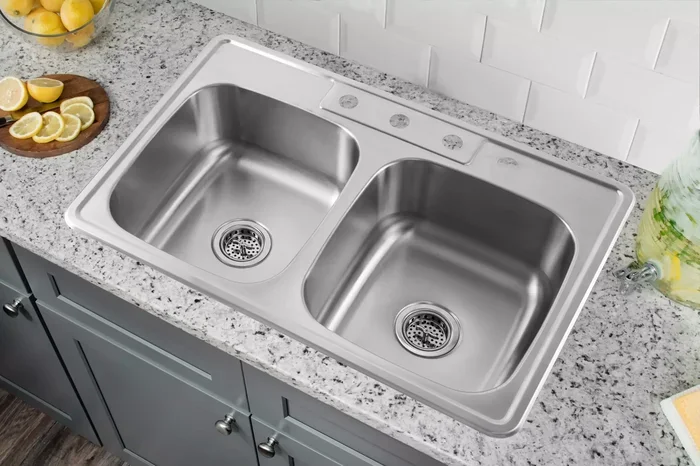
The number of holes in your sink determines which faucet will work. If you have one hole, a single-hole faucet is your best bet. Three holes? Go with a three-hole faucet. If your sink has extra holes you do not plan to use, a deck plate covers them neatly.
Using the wrong faucet for your hole count is one of the most common mistakes homeowners make. Always count your holes before buying. This one step saves returns, extra drilling, and headaches.
Consider the Faucet Height and Reach
Beyond connection size, think about how the faucet fits over your sink. Tall faucets work well with deep sinks and large pots. Short faucets are better for shallow sinks or kitchens with limited cabinet space above.
The reach of the faucet spout also matters. A longer reach provides more flexibility for washing large items. For most standard sinks, a faucet with a 6- to 8-inch reach works well.
Adapters and Connectors: Bridging the Gap
What if your new faucet does not match your existing plumbing? Adapters and connectors come to the rescue. These small fittings allow you to connect a faucet with one connection size to a supply line with a different size.
For example, if your supply lines are 1/2-inch but your new faucet uses 3/8-inch connections, a simple adapter solves the problem. Adapters are inexpensive and widely available at hardware stores. Keep a few on hand for future projects.
Installation Tips and Common Mistakes
Installing a kitchen faucet is one of the most rewarding DIY projects. But even with the right faucet connection size, mistakes can happen. Here are tips to ensure a successful installation.
DIY Installation Tips
- Read the manual first. Every faucet is different. Spend five minutes reading the installation guide before you start.
- Use thread seal tape. Wrap Teflon tape around threaded connections in a clockwise direction. This creates a watertight seal and prevents leaks.
- Do not overtighten. Tightening too much can crack fittings or damage the faucet base. Hand-tighten first, then give it a quarter turn with a wrench.
- Check for compatibility. Make sure the faucet matches your sink hole count, connection size, and water supply configuration before you remove the old faucet.
- Have a bucket ready. Water will spill when you disconnect the supply lines. A bucket under the sink catches drips and keeps your workspace dry.
Common Mistakes to Avoid
Even experienced homeowners sometimes make these errors when working with kitchen faucet connections:
- Skipping the measurement. Never assume the new faucet will fit. Always measure the existing connection and the sink holes first.
- Ignoring the supply line material. Some faucets work best with braided stainless steel supply lines, while others use rubber hoses. Check compatibility before buying.
- Forgetting to turn off the water. This mistake leads to water damage every time. Always shut off the supply valves before starting any plumbing work.
- Using the wrong adapter. Not all adapters fit all connections. Make sure the adapter matches both the faucet and the supply line size exactly.
- Rushing the installation. Take your time. A rushed job often leads to leaks and callbacks.
When to Call a Professional
Most faucet replacements are straightforward. But some situations call for a professional plumber. If your sink has unusual plumbing, if the supply lines are corroded, or if you encounter unexpected obstacles under the sink, it is worth calling an expert. A professional can also handle complex faucet connection sizes and older plumbing systems with confidence.
Key Maintenance Tips for Kitchen Faucet Connections
Once your new faucet is installed, a little maintenance goes a long way. Regular care keeps your kitchen faucet connections leak-free and working smoothly for years.
- Check for leaks monthly. Look under the sink for any signs of dripping or moisture. Catching a small leak early prevents bigger problems.
- Clean the aerator regularly. The aerator is the screen at the tip of the faucet spout. Remove it and soak it in vinegar to clear mineral buildup.
- Tighten connections if needed. Over time, fittings can loosen. A quick check and gentle tightening keeps everything secure.
- Replace supply lines every 5 years. Rubber hoses degrade over time. Braided stainless steel lines last longer and are a smart upgrade.
Taking care of your faucet connections protects your entire plumbing system. A few minutes of maintenance each month saves you from expensive repairs down the road.
Conclusion
Understanding kitchen faucet connections is simpler than most people think. The standard sizes of 3/8-inch and 1/2-inch cover the vast majority of kitchen faucets. By measuring your current setup, matching the right connection type, and following proper installation steps, you can tackle this project with confidence.
Remember to always check your sink hole count, choose the right faucet style, and use adapters when needed. A little preparation goes a long way toward a leak-free, professional-looking result. Whether you are a first-time DIYer or a seasoned homeowner, knowing your faucet connection size puts you in control of the project.
Take what you have learned here, measure your connections, and pick the right faucet with confidence. Your kitchen will thank you for it.
Frequently Asked Questions
What is the standard size for kitchen faucet connections?
The most common kitchen faucet connections sizes are 3/8-inch and 1/2-inch. These refer to the diameter of the supply line fitting where the faucet connects to the water supply. Always measure your existing connection before purchasing a new faucet.
Can I use adapters if my new faucet has a different connection size?
Yes, adapters are widely available and easy to use. They bridge the gap between different faucet connection sizes and supply line diameters. Just make sure the adapter matches both ends of the connection for a secure, leak-free fit.
How do I know if my faucet uses a threaded or compression connection?
Threaded connections have visible screw threads on the fitting, while compression fittings use a nut and ferrule. Check your existing supply lines to identify which type you have. Most modern faucets use threaded connections, but older homes often have compression fittings.
What is a deck plate and when do I need one?
A deck plate is a flat piece that covers the area around the faucet base on the sink. You need one when your faucet has fewer holes than your sink, or when you want a cleaner look. Deck plates come in various sizes to match different kitchen faucet connections and sink configurations.
How long does it take to replace a kitchen faucet?
Most homeowners can replace a kitchen faucet in 30 to 60 minutes. The time depends on your experience level, the type of faucet connection size, and whether you need adapters. Having the right tools and a clear plan makes the process much faster.
Are quick-connect faucets reliable compared to threaded connections?
Yes, quick-connect faucets are reliable and convenient. They use a push-to-fit design that seals securely without tools. However, they are often brand-specific, so you may need to stick with the same brand for replacements. Threaded connections offer more universal compatibility across different kitchen faucet connections setups.