
Knowing where to take a broken lawn mower saves you time, money, and helps the environment. You can choose between professional repair shops, local recycling centers, or trade-in programs. This guide walks you through every option so you can make the best decision for your broken machine.
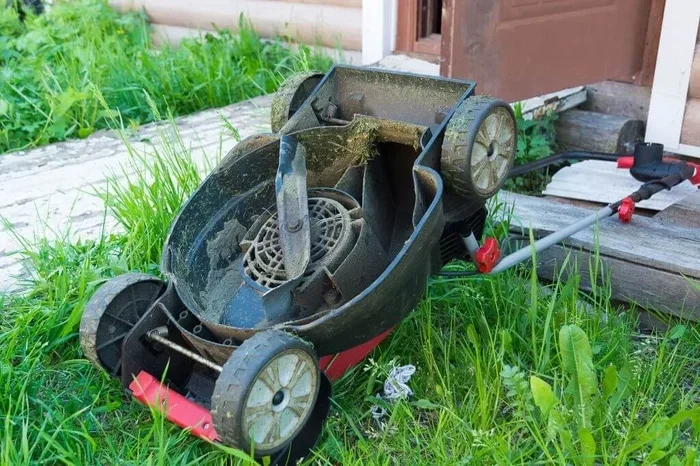
Your lawn mower finally gave out. Maybe the engine seized up, or the deck got hammered beyond repair. Whatever the reason, you are now stuck with a heavy, broken machine and no idea what to do with it. The good news is that knowing where to take a broken lawn mower opens up more options than you might think.
Throwing it in the trash is not the answer. Most landfills won’t accept gas-powered equipment, and even if they did, it is terrible for the environment. Lawn mowers contain metals, fluids, and parts that can be reused, recycled, or safely disposed of through proper channels. This guide covers every realistic option so you can handle the situation the right way.
Whether your push mower has a cracked housing or your riding mower refuses to start, you will find practical steps and local resources here. Let us walk through your choices one by one so you can make a confident decision.
Key Takeaways
- Repair shops and small engine specialists can often fix your broken mower at a fraction of the cost of a new one.
- Local recycling centers accept broken lawn mowers and properly handle scrap metal and engine components.
- Trade-in programs at hardware stores and dealerships offer discounts on new mowers when you bring in your old one.
- Preparing your mower before transport makes the process smoother and safer for everyone involved.
- Eco-friendly disposal prevents harmful fluids like oil and gasoline from leaking into soil and waterways.
- Donation options let you give a broken mower a second life while supporting community organizations.
- Comparing repair costs against replacement prices helps you make the smartest financial decision.
📑 Table of Contents
- Why You Should Never Just Throw Away a Broken Lawn Mower
- Where to Take a Broken Lawn Mower for Repair
- Recycling Options for a Broken Lawn Mower
- How to Prepare Your Broken Lawn Mower for Transport
- Cost of Repairing vs. Replacing a Broken Lawn Mower
- Eco-Friendly Disposal and Donation Options
- Finding the Right Option Near You
- Key Takeaways
- Conclusion
Why You Should Never Just Throw Away a Broken Lawn Mower
It might seem easiest to toss your broken mower in the dumpster. But there are serious reasons to avoid this. Lawn mowers contain small engine components, steel decks, plastic housings, and residual fuel. All of these materials need special handling.
Environmental Risks of Improper Disposal
Gasoline, oil, and coolant left inside a mower can leak into groundwater. These chemicals contaminate soil and harm local ecosystems. A single mower can contain up to two gallons of fuel residue. That is a lot of pollution for one piece of equipment.
When you toss a mower in a regular trash bin, it usually ends up in a landfill. Landfills are not designed to handle small engine equipment. The metal and plastic take decades to break down. Meanwhile, toxic fluids seep into the surrounding ground.
Legal and Local Regulations
Many cities and counties have specific rules about garden equipment disposal. Some areas classify lawn mowers as household hazardous waste. This means you cannot put them out with regular garbage. Violating these rules can lead to fines in certain municipalities.
Before you do anything, check your local waste management guidelines. A quick phone call or visit to your city website can save you headaches later. Most waste management departments offer free resources to help residents dispose of equipment properly.
Where to Take a Broken Lawn Mower for Repair
Repairing your mower is often the most cost-effective choice. A broken mower does not always mean a dead mower. Many common issues are fixable with the right help.
Local Small Engine Repair Shops
Small engine repair shops specialize in lawn mower repair and similar equipment. They handle everything from push mowers to riding mowers. These shops can diagnose problems with engines, transmissions, electrical systems, and cutting decks.
When you visit a repair shop, bring your mower in for an inspection first. Most shops offer free or low-cost diagnostics. They will tell you exactly what is wrong and how much it will cost to fix it. Common repairs include:
- Engine tune-ups and spark plug replacements
- Carburetor cleaning or rebuilding
- Blade sharpening or replacement
- Transmission repairs for riding mowers
- Starter motor and ignition coil fixes
Brand-Specific Service Centers
If your mower is still under warranty, contact the manufacturer directly. Brands like Briggs and Stratton, Honda, and Toro have authorized service centers. These centers use genuine parts and trained technicians. Going through an authorized center protects any remaining warranty coverage.
Even if your warranty has expired, brand service centers often provide quality work. They may charge slightly more than independent shops, but the expertise is worth it for complex issues.
Local Hardware Stores With Repair Services
Some hardware stores and home improvement centers offer mower repair services on-site or through partnerships with local technicians. Stores like Ace Hardware or independent garden centers sometimes connect customers with trusted repair professionals.
This option is convenient because you can get a referral while shopping for replacement parts. Ask the staff at your local hardware store about repair partnerships in your area.
Recycling Options for a Broken Lawn Mower
If your mower is beyond repair, recycling is the next best step. Lawn mower recycling recovers valuable materials and keeps harmful components out of landfills.
Local Recycling Centers
Your nearest local recycling center is one of the best places to take a broken mower. Most municipal recycling facilities accept small engine equipment. They separate metals, plastics, and other materials for proper processing.
Before you drive over, call ahead. Some centers require appointments for large item drop-offs. Others have specific days for equipment recycling. Here is what to expect when you arrive:
- Staff will guide you to the appropriate drop-off area
- They may drain remaining fluids before processing
- You might need to show proof of residence or pay a small fee
- Some centers offer free pickup for large items
Scrap Metal Yards and Junkyards
Scrap metal yards are another solid option. These facilities accept old mowers and pay you for the metal content. The steel deck, engine block, and metal frame all have scrap value.
Junkyards and salvage yards also take broken mowers. They often salvage usable parts and sell them cheaply. This gives your old mower a second life even when the whole machine cannot be saved. Search online for “scrap metal yard near me” or “lawn mower junkyard” in your area.
Retailer Take-Back Programs
Many retailers that sell lawn mowers also run mower trade-in programs. When you buy a new mower, they accept your old one for recycling. Stores like Home Depot, Lowe’s, and local mower dealerships participate in these programs.
Some brands offer mail-in recycling kits. You ship your broken mower to a certified recycling facility at no cost to you. Check the manufacturer’s website for details on their take-back program.
How to Prepare Your Broken Lawn Mower for Transport
Getting your mower ready before you haul it off makes everything easier. Proper preparation keeps you safe and speeds up the recycling or repair process.
Draining Fluids Safely
Before moving your broken mower, drain all remaining fuel and oil. Gasoline is flammable and should never be transported in a mower with a full tank. Oil can leak during transport and create a mess.
Here is a simple process for draining fluids:
- Let the engine cool completely
- Tilt the mower on its side with the air filter facing up
- Drain fuel into an approved container
- Remove the oil plug and let oil drain into a pan
- Dispose of fluids at a hazardous waste collection point
Cleaning and Securing the Mower
Wipe down the exterior of the mower before transport. Remove any loose debris from the deck and undercarriage. Secure the blades so they do not shift during transport. If possible, wrap sharp edges with cardboard or tape.
For riding mowers, engage the parking brake and turn the steering wheel lock. Use straps or rope to secure the mower to a trailer or truck bed. A loose mower rolling around in the back of a truck is a serious safety hazard.
Gather Important Documentation
Keep any purchase receipts or warranty documents handy. Some recycling centers and repair shops ask for proof of purchase. If you bought your mower secondhand, a photo of the model number on the data plate helps shops identify the unit quickly.
Cost of Repairing vs. Replacing a Broken Lawn Mower
One of the biggest decisions you face is whether to repair or replace. Mower repair cost varies widely depending on the problem and the model of your mower.
Common Repair Costs
Most minor repairs cost between 50 and 150 dollars. These include blade replacements, spark plug changes, and carburetor cleaning. More serious repairs like engine rebuilds or transmission replacements can run 300 to 600 dollars or more.
Compare these costs against the price of a new mower. A basic push mower starts around 200 to 300 dollars. A quality riding mower runs 1,000 dollars or higher. If repair costs exceed half the price of a new mower, replacement usually makes more sense.
When Repair Makes Sense
Repair is worth it when the issue is simple and affordable. A seized engine from old fuel might only need a carburetor rebuild. A dull blade just needs sharpening or replacement. These fixes extend the life of your mower without breaking the bank.
Also consider the age of your mower. A five-year-old mower with a repairable engine is a smart investment. A fifteen-year-old mower with a cracked deck might not be worth fixing.
When Replacement Is the Better Choice
If the repair estimate exceeds 50 percent of a new mower’s price, go with replacement. Modern mowers are far more fuel-efficient and environmentally friendly than older models. You also get better cutting performance and fewer maintenance headaches.
Look for mower trade-in programs when buying a new mower. Many retailers offer discounts of 50 to 150 dollars when you bring in your old unit. This offsets the cost of replacement while ensuring your old mower gets properly recycled.
Eco-Friendly Disposal and Donation Options
Not every broken mower needs to be scrapped. Sometimes the best option is giving it a second chance through donation or creative reuse.
Donating a Broken Lawn Mower
Charities, community organizations, and vocational training programs sometimes accept broken equipment. They may have the skills to repair and refurbish mowers for families in need. Local Habitat for Humanity ReStores occasionally accept working or repairable lawn equipment.
Before donating, call ahead and explain the condition of your mower. Some organizations only accept units that can be safely operated. Others welcome broken items for parts or repair projects. Always get a receipt for your donation, as it may be tax-deductible.
Creative Reuse Ideas
If your mower still has some life left in it, consider creative reuse. A broken push mower with a bad engine can become a manual reel mower with some effort. Old mower blades can be repurposed into garden tools or art projects.
Some people strip broken mowers for parts. A working engine from one mower can revive another with a failed engine. Online marketplaces and community forums are great places to sell or give away usable mower parts.
Finding the Right Option Near You
The best choice depends on your location, budget, and the condition of your mower. Use these resources to find the right path forward.
Online Tools and Directories
Websites like Earth911 and iRecycle let you search for equipment recycling centers by zip code. Enter “lawn mower” or “small engine equipment” and your location to find nearby drop-off points. Your city or county waste management website is another excellent resource.
Google Maps also helps you locate repair shops and recycling centers quickly. Search terms like “lawn mower repair near me” or “recycling center near me” bring up local options with reviews and contact details.
Community Events and Collection Days
Many communities host household hazardous waste collection events throughout the year. These events accept small engine equipment, chemicals, and other items that cannot go in regular trash. Check your local government website for upcoming event dates.
Some waste haulers offer curbside pickup for large items like mowers. Contact your waste management provider to ask about bulk item pickup schedules and any associated fees.
Key Takeaways
- Repair shops and small engine specialists can often fix your broken mower at a fraction of the cost of a new one.
- Local recycling centers accept broken lawn mowers and properly handle scrap metal and engine components.
- Trade-in programs at hardware stores and dealerships offer discounts on new mowers when you bring in your old one.
- Preparing your mower before transport makes the process smoother and safer for everyone involved.
- Eco-friendly disposal prevents harmful fluids like oil and gasoline from leaking into soil and waterways.
- Donation options let you give a broken mower a second life while supporting community organizations.
- Comparing repair costs against replacement prices helps you make the smartest financial decision.
Conclusion
Dealing with a broken mower does not have to be stressful. You now know exactly where to take a broken lawn mower for repair, recycling, donation, or creative reuse. Every option discussed here keeps harmful materials out of landfills and gives your old equipment a responsible second life.
Start by assessing the condition of your mower. If it can be fixed, visit a local repair shop or small engine specialist. If it is truly done, take it to a recycling center or scrap yard. Consider trade-in programs when buying a replacement, and explore donation options if the mower still has some life left.
The most important step is simply to take action. Sitting on a broken mower in your garage only takes up space and risks environmental harm. Choose the option that fits your situation best and feel good knowing you handled it the right way.
Your lawn care routine might be on pause for now, but your decision to dispose of your broken mower properly makes a real difference. Share this guide with neighbors who might be facing the same situation. Together, we can keep our communities cleaner and our environment healthier.
Is it cheaper to repair or replace a broken lawn mower?
In most cases, minor repairs cost between 50 and 150 dollars, which is much cheaper than buying a new mower. If repair costs exceed half the price of a replacement, it usually makes more sense to buy new. Get a diagnostic estimate first before making your decision.
Can I put a broken lawn mower in the regular trash?
No, most municipalities do not allow small engine equipment in regular trash. Lawn mowers contain fluids and metals that require special handling. Check your local waste management rules or take it to a recycling center instead.
Do scrap yards pay for old lawn mowers?
Yes, many scrap metal yards pay for old mowers based on their weight and metal content. The payout is usually modest, but it offsets the cost of disposal. Call your local scrap yard ahead to confirm they accept lawn mowers.
Can I donate a broken lawn mower?
Yes, many charities and community organizations accept broken mowers for repair or parts. Habitat for Humanity ReStores and vocational programs are good options. Always call ahead to confirm their current acceptance policies.
How do I drain fuel from a broken lawn mower?
Let the engine cool, then tilt the mower on its side with the air filter facing up. Drain fuel into an approved container and dispose of it at a hazardous waste collection point. Never pour fuel down drains or into regular trash.
Are there retailer programs that take back old lawn mowers?
Yes, many retailers like Home Depot and Lowe’s offer trade-in programs when you purchase a new mower. Some manufacturers also provide mail-in recycling kits. Check with your retailer or the mower brand for details.
Frequently Asked Questions
What is where to take broken lawn mower?
where to take broken lawn mower is an important topic with many practical applications.