
Thai kitchen curry paste is the heart of authentic Thai cooking. It blends lemongrass, galangal, chilies, and aromatic spices into a powerful flavor base. Whether you buy it or make it from scratch, the right curry paste transforms simple ingredients into restaurant-quality meals. This guide covers every type, ingredient, and technique you need to master Thai flavors at home.
Key Takeaways
- Thai kitchen curry paste comes in several varieties: red, green, yellow, massaman, and panang — each with a unique flavor profile.
- Fresh ingredients make all the difference: lemongrass, galangal, kaffir lime leaves, and fresh chilies create authentic depth.
- Homemade curry paste beats store-bought: it tastes fresher and lets you control spice levels and ingredients.
- Proper storage keeps curry paste fresh: freeze it in portions for up to 3 months or refrigerate for 2 weeks.
- A little goes a long way: curry paste works as a marinade, soup base, stir-fry starter, and dipping sauce enhancer.
📑 Table of Contents
- What Is Thai Kitchen Curry Paste?
- Types of Thai Kitchen Curry Paste
- Essential Ingredients in Thai Curry Paste
- How to Make Homemade Thai Kitchen Curry Paste
- How to Use Thai Kitchen Curry Paste in Cooking
- Store-Bought vs Homemade Curry Paste
- Storing and Preserving Your Curry Paste
- Expert Insights on Mastering Thai Curry Paste
- Conclusion
What Is Thai Kitchen Curry Paste?
Thai kitchen curry paste is a blended mixture of fresh herbs, spices, and aromatics. It forms the foundation of nearly every Thai curry dish you love. Think of it as the soul of Thai cooking — without it, you simply cannot achieve those bold, complex flavors.
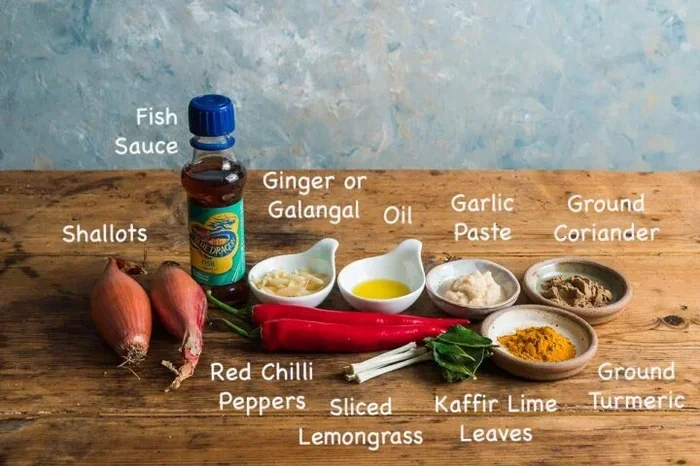
The paste combines ingredients like lemongrass, galangal, shallots, garlic, chilies, and shrimp paste. Each component plays a specific role in building layers of flavor. Some bring heat, others bring aroma, and a few add depth and umami.
In traditional Thai kitchens, cooks grind these ingredients using a stone mortar and pestle. This method releases oils and creates a smooth, vibrant paste. Modern blenders work too, but the texture and flavor differ slightly.
Thai curry paste is not just a seasoning. It is a complete flavor system. When you sauté it in coconut oil or coconut cream, the aromatics bloom and infuse the entire dish.
Whether you are a beginner or a seasoned home cook, understanding curry paste opens up a world of Thai cuisine. You will start tasting the difference between a dish made with quality paste and one that falls flat.
Why Curry Paste Matters So Much
The flavor base of any curry depends entirely on the paste. It determines the heat level, the aroma, and the overall character of the dish. A great paste makes even simple vegetables taste extraordinary.
Here is why it matters:
- It builds flavor from the ground up. Every other ingredient you add later supports the paste.
- It saves time. A single spoonful of paste replaces multiple steps of chopping and toasting spices.
- It ensures consistency. Using the same paste batch means your curries taste the same every time.
- It adds complexity. Store-bought seasoning packets cannot replicate the layered flavors of a well-made paste.
Types of Thai Kitchen Curry Paste
Not all curry paste is the same. Thai cuisine uses several distinct varieties, each with its own color, flavor, and best uses. Understanding these differences helps you choose the right paste for every recipe.
Red Curry Paste
Red curry paste gets its vibrant color from dried red chilies. It has a medium-to-hot spice level with a slightly sweet undertone. Common ingredients include dried chilies, shallots, garlic, lemongrass, galangal, and shrimp paste.
This is one of the most versatile pastes in Thai cooking. You can use it in soups, stir-fries, and marinades. A great example is a Thai Red Curry Sweet Potato Soup, where the paste creates a rich, aromatic broth.
Red curry paste pairs beautifully with coconut milk, bamboo shoots, Thai basil, and bell peppers. It works with chicken, beef, shrimp, and tofu alike.
Green Curry Paste
Green curry paste is the spiciest of the traditional Thai pastes. It gets its color and heat from fresh green chilies. The flavor is bright, herbaceous, and slightly sweet.
Key ingredients include fresh green chilies, lemongrass, galangal, kaffir lime leaves, cilantro roots, and Thai eggplant. The result is a paste that tastes fresh and lively.
Green curry paste is best known for green curry with chicken or fish balls. It also works wonders in stir-fried vegetables and seafood dishes.
Yellow Curry Paste
Yellow curry paste is the mildest and most approachable option. It gets its golden color from turmeric and dried yellow chilies. The flavor is warm, earthy, and gently spiced.
This paste often includes cumin, coriander, lemongrass, garlic, and shallots. It feels comforting and familiar, even to people who are new to Thai food.
Yellow curry is perfect for chicken, potatoes, and onions simmered in coconut milk. It also makes an excellent base for soups and stews.
Massaman Curry Paste
Massaman curry paste is a unique blend that reflects Persian and Indian influences on Thai cuisine. It is rich, warm, and slightly sweet.
The paste includes dried chilies, cinnamon, cardamom, star anise, cloves, and nutmeg. These spices create a flavor profile unlike any other Thai curry paste.
Massaman curry is traditionally made with beef or lamb. It also works wonderfully with potatoes, peanuts, and roasted vegetables.
Panang Curry Paste
Panang curry paste is a thicker, richer version of red curry paste. It includes peanuts or peanut butter in the blend, giving it a nutty, creamy character.
The flavor is less watery than other curries and more concentrated. Panang curry pairs best with beef and dense vegetables like bamboo shoots and eggplant.
Essential Ingredients in Thai Curry Paste
Every thai kitchen curry paste starts with a core set of ingredients. These building blocks create the signature Thai flavor profile that makes curries so addictive.
The Aromatic Foundation
The aromatics are the backbone of any good curry paste. They provide the fragrance and depth that define Thai food.
- Lemongrass: Adds a bright, citrusy note that cuts through richness.
- Galangal: A root similar to ginger but with a sharper, more piney flavor.
- Shallots: Provide sweetness and a smooth base for the paste.
- Garlic: Adds pungency and depth to every bite.
- Kaffir lime leaves: Contribute a unique floral, citrus aroma found in many Thai dishes.
The Heat Sources
Chilies are what give curry paste its signature kick. Different types of chilies create different levels of heat and flavor.
- Dried red chilies: Used in red curry paste for deep, smoky heat.
- Fresh green chilies: Used in green curry paste for bright, sharp spiciness.
- Bird’s eye chilies: Small but incredibly hot. Used sparingly in many Thai pastes.
- Dried yellow chilies: Milder and sweeter, perfect for yellow curry paste.
The Flavor Enhancers
These ingredients add umami, saltiness, and complexity to the paste.
- Shrimp paste: A fermented ingredient that adds deep, savory umami flavor.
- Coriander seeds: Provide a warm, citrusy undertone.
- Cumin seeds: Add earthiness and warmth.
- White peppercorns: Deliver a clean, sharp heat.
- Salt: Enhances all other flavors and acts as a preservative.
How to Make Homemade Thai Kitchen Curry Paste
Making curry paste from scratch might seem intimidating, but it is simpler than you think. Once you try it, you will never go back to store-bought versions.
Tools You Will Need
A traditional stone mortar and pestle is the best tool for making curry paste. It crushes ingredients rather than chopping them, which releases more flavor and oil. However, a food processor or blender works well too, especially for beginners.
You will also need a good knife, a cutting board, and fresh ingredients. Preparing everything before you start makes the process smooth and enjoyable.
Basic Homemade Curry Paste Recipe
Here is a simple recipe to get you started. This versatile base works for multiple curry styles with minor adjustments.
- Soak 8-10 dried red chilies in warm water for 15 minutes. Drain well.
- Peel and rough-chop 3 stalks of lemongrass, using only the tender lower third.
- Slice 1 tablespoon of galangal into thin pieces.
- Peel 6 shallots and 4 cloves of garlic.
- Add 1 tablespoon of shrimp paste and 1 teaspoon of white peppercorns.
- Add 1 teaspoon of coriander seeds and 1/2 teaspoon of cumin seeds.
- Pound or blend all ingredients until smooth, adding a splash of water if needed.
- Taste and adjust salt or chilies to your preference.
This basic paste makes about 1 cup. You can store it in the refrigerator for up to two weeks or freeze it in ice cube trays for longer storage.
Quick Tips for Better Homemade Paste
- Toast your spices first. Dry-roasting coriander and cumin seeds in a pan for 30 seconds brings out their full aroma.
- Use fresh ingredients. Old or dried lemongrass and galangal produce flat-tasting paste.
- Add oil at the end. A drizzle of coconut oil helps the paste stay smooth and prevents oxidation.
- Taste as you go. Adjust the heat, salt, and sourness to match your personal preference.
- Pound in batches. Overfilling the mortar makes it harder to grind ingredients into a smooth paste.
Common Mistakes When Making Curry Paste
- Using ginger instead of galangal. They look similar but taste completely different. Galangal has a sharper, more piney flavor.
- Skipping the shrimp paste. This is a key umami ingredient that many beginners overlook.
- Adding too much water. This makes the paste thin and dilutes the flavor.
- Not draining soaked chilies. Excess water can make your paste soggy and shorten its shelf life.
- Storing paste in the wrong container. Always use an airtight glass jar to preserve freshness.
How to Use Thai Kitchen Curry Paste in Cooking
Once you have your curry paste ready, the fun begins. There are many ways to use it beyond just making curry. The paste is incredibly versatile and can transform a wide range of dishes.
Making a Classic Thai Curry
The most common use is making a traditional curry. Here is the basic method:
- Heat 2 tablespoons of coconut cream in a pan over medium heat.
- Add 2-3 tablespoons of curry paste and fry for 2-3 minutes until fragrant.
- Add your protein (chicken, beef, shrimp, or tofu) and coat it well.
- Pour in 1 can of coconut milk and bring to a gentle simmer.
- Add vegetables like bamboo shoots, bell peppers, or Thai eggplant.
- Season with fish sauce, palm sugar, and lime juice to balance flavors.
- Simmer for 15-20 minutes until everything is cooked through.
- Garnish with Thai basil leaves and serve over jasmine rice.
For a heartier meal, try adapting a Beef Curry Recipe using your homemade paste. The results are far superior to anything from a jar.
Using Curry Paste as a Marinade
Curry paste makes an excellent marinade for meats, seafood, and even tofu. Simply coat your protein with paste, cover, and refrigerate for at least 30 minutes or overnight for deeper flavor.
Grilled chicken, skewered shrimp, and roasted vegetables all benefit from a curry paste marinade. The paste caramelizes beautifully when exposed to high heat.
Stir-Frying with Curry Paste
You can use curry paste as a stir-fry base just like you would use soy sauce or oyster sauce. A spoonful of paste added to a wok transforms a simple vegetable stir-fry into something extraordinary.
Try stir-frying noodles with a spoonful of red curry paste, vegetables, and a splash of soy sauce. The result is quick, easy, and packed with flavor.
Adding Curry Paste to Soups
Curry paste works beautifully in soups too. It adds depth and warmth to broths that might otherwise taste plain.
A spoonful of paste stirred into a simple vegetable soup creates a quick and satisfying meal. For a more specific example, try adding red curry paste to a coconut-based soup for a Thai-inspired twist.
For a creative vegetarian option, consider a Sweet Potato Peanut Butter Curry that uses curry paste as its primary flavor base. It is warming, satisfying, and ready in under 30 minutes.
Curry Paste in Dipping Sauces
Mix a small amount of curry paste into coconut cream or yogurt for a quick dipping sauce. It pairs wonderfully with spring rolls, dumplings, and grilled meats.
This is an easy way to introduce Thai flavors to guests who might not be ready for a full curry dish.
Store-Bought vs Homemade Curry Paste
Choosing between store-bought and homemade curry paste depends on your time, budget, and flavor goals. Both options have their place in a Thai kitchen.
| Factor | Homemade Paste | Store-Bought Paste |
|---|---|---|
| Flavor | Fresh, complex, and customizable | Convenient but often one-dimensional |
| Ingredients | You control everything that goes in | May contain preservatives and additives |
| Time | Requires 20-30 minutes to prepare | Ready to use immediately |
| Cost | Cheaper per batch | Can be expensive for quality brands |
| Shelf Life | 2 weeks refrigerated, 3 months frozen | Varies by brand, typically 6-12 months |
| Heat Level | Fully adjustable to your preference | Fixed heat level, may be too mild or too hot |
When to Choose Store-Bought Paste
Store-bought curry paste is perfectly fine for weeknight cooking. Look for brands with short ingredient lists and no artificial preservatives. Thai Kitchen, Mae Ploy, and Maesri are popular reliable brands.
Even with store-bought paste, you can elevate your dishes. Fry the paste in coconut cream first, and add a pinch of fresh palm sugar. These small steps make a noticeable difference.
When to Choose Homemade Paste
Choose homemade paste when you want the best possible flavor. It is also ideal for special occasions or when you are cooking for people who appreciate authentic Thai food.
Making your own paste connects you more deeply to the cuisine. You learn which ingredients matter and how they work together. This knowledge makes you a better cook overall.
Storing and Preserving Your Curry Paste
Proper storage keeps your curry paste fresh and flavorful for as long as possible. How you store it depends on whether it is homemade or opened from a jar.
Refrigerating Curry Paste
Homemade curry paste keeps well in the refrigerator for up to two weeks. Store it in a clean, airtight glass jar. Always use a clean spoon to scoop out paste to avoid contamination.
Store-bought paste should also be refrigerated after opening. Check the label for specific guidance, as some brands recommend using within a certain timeframe after opening.
Freezing Curry Paste
Freezing is the best method for long-term storage. Pour your paste into an ice cube tray and freeze until solid. Then transfer the cubes to a freezer bag.
Each cube is roughly one tablespoon, which is the perfect amount for most recipes. You can pop out as many cubes as you need without thawing the entire batch.
Frozen curry paste stays fresh for up to 3 months. When you are ready to use it, simply drop a cube into your pan and let it melt as you cook.
Signs Your Curry Paste Has Gone Bad
- Off smell: Fresh curry paste smells aromatic and vibrant. If it smells sour or rancid, discard it.
- Mold: Any visible mold means the paste is no longer safe to eat.
- Color change: Significant darkening or fading of color indicates oxidation.
- Texture change: If the paste becomes slimy or overly watery, it has spoiled.
Expert Insights on Mastering Thai Curry Paste
Professional Thai chefs share a few insights that can take your curry paste game to the next level.
Balance is everything. Great Thai food balances four key flavors: salty, sweet, sour, and spicy. Your curry paste contributes salty and spicy, but you need fish sauce for salt, palm sugar for sweetness, and lime juice for sourness.
Freshness of ingredients cannot be faked. Even the best technique cannot compensate for stale lemongrass or old dried chilies. Visit an Asian grocery store for the freshest aromatics and spices.
The order of cooking matters. Always fry your curry paste in fat first — coconut cream or oil. This blooms the aromatics and releases fat-soluble flavor compounds. Adding paste to liquid too early results in flat, underdeveloped flavor.
Season at every stage. Taste your curry as it cooks and adjust the seasoning. A final squeeze of lime juice or a pinch of sugar can transform the dish before serving.
Conclusion
Thai kitchen curry paste is one of the most important ingredients you can have in your kitchen. It brings the bold, aromatic flavors of Thailand to your home with just a single spoonful. Whether you choose to make it from scratch or keep a quality store-bought version on hand, the paste is the key to authentic Thai cooking.
Start with the basic recipe shared in this guide. Experiment with different types of curry paste and discover which flavors you love most. Use it in curries, soups, stir-fries, marinades, and dipping sauces. The more you cook with it, the more confident you will become.
The beauty of curry paste is that it makes Thai cooking accessible to everyone. You do not need years of training or exotic equipment. A few fresh ingredients, a blender or mortar, and a willingness to experiment are all you need. Your journey into authentic Thai flavors starts with the right curry paste.
Frequently Asked Questions
What is the difference between Thai red and green curry paste?
Red curry paste uses dried red chilies and has a deeper, slightly sweeter flavor with medium heat. Green curry paste uses fresh green chilies and is spicier with brighter, more herbaceous notes. The ingredient lists also differ slightly, with green paste often including more fresh herbs like cilantro roots and Thai eggplant.
Can I substitute one type of curry paste for another?
Yes, you can substitute curry pastes in a pinch, but the flavor profile will change. Red paste works well as a replacement for green in most recipes, while yellow paste is a milder alternative. Keep in mind that swapping pastes will alter the heat level and overall taste of your dish.
Is Thai curry paste gluten-free?
Most traditional curry paste ingredients are naturally gluten-free. However, some store-bought brands may contain wheat-based additives or soy sauce with gluten. Always check the ingredient label if you have a gluten sensitivity or celiac disease.
How long does homemade curry paste last in the freezer?
Homemade curry paste keeps well in the freezer for up to 3 months when stored in airtight containers or ice cube trays. Make sure the paste is completely cooled before freezing, and always use clean utensils to scoop it out.
Can I make curry paste without a mortar and pestle?
Absolutely. A food processor or blender works perfectly well for making curry paste. The texture may be slightly smoother than a mortar-ground paste, but the flavor will be just as good. Add a small amount of oil or water to help the blades blend everything smoothly.
What is the best way to intensify the flavor of store-bought curry paste?
Fry the paste in coconut cream or oil for 2-3 minutes before adding any other ingredients. This blooms the aromatics and deepens the flavor. You can also add a pinch of fresh palm sugar, a squeeze of lime juice, or extra fish sauce to enhance the overall taste of store-bought paste.